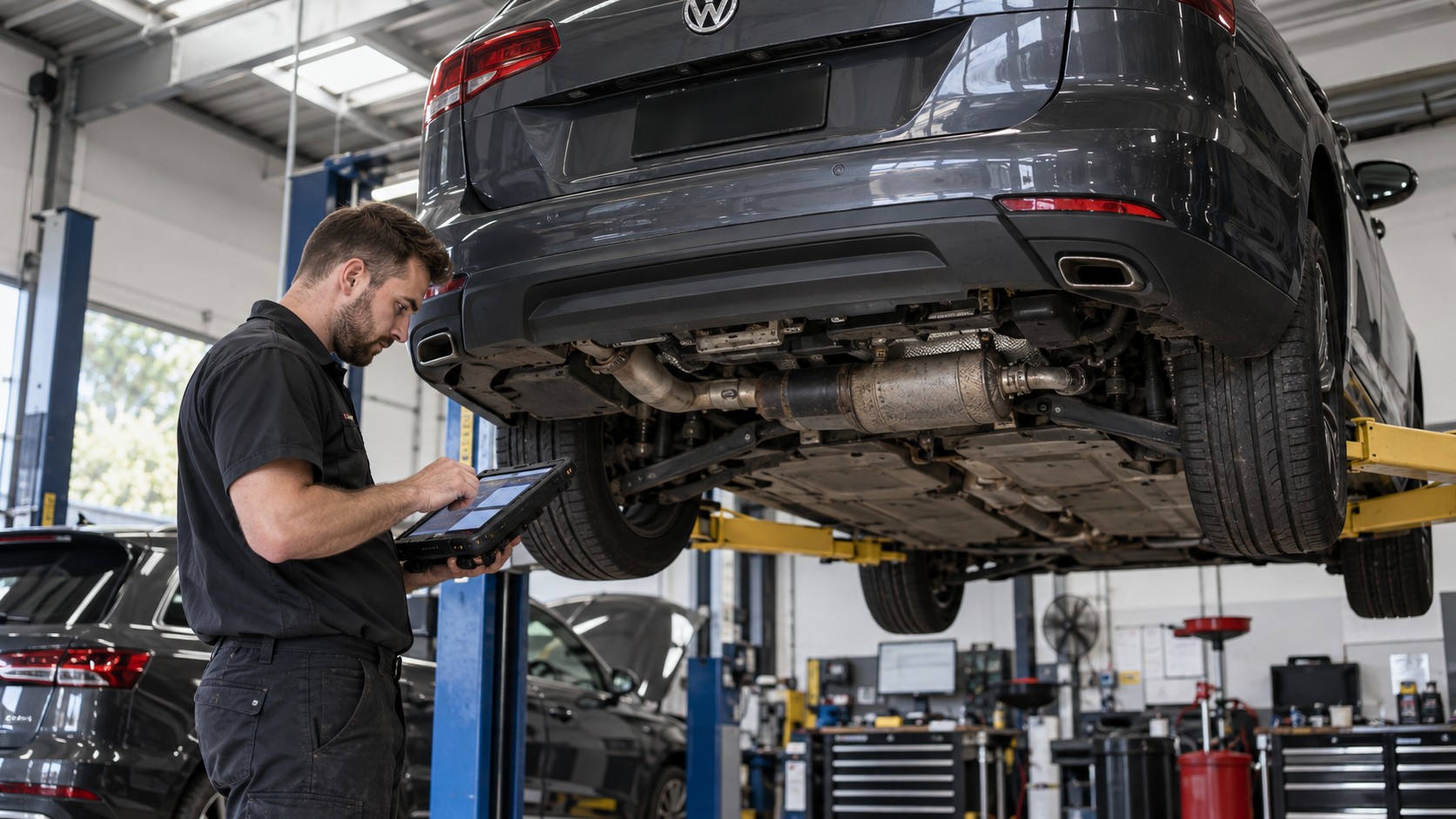
A DPF traps the soot in a diesel exhaust and burns it off when the exhaust gets hot enough. That burn-off is called regeneration. The filter blocks when the car never runs long enough or hot enough to finish one.
If the light has come on twice in a month, or you have a quote for a new filter, the useful question is not what a DPF is. It is why yours keeps blocking when other VW and Audi diesels do not. Often the answer is not your driving.
What is a DPF and what does it do?
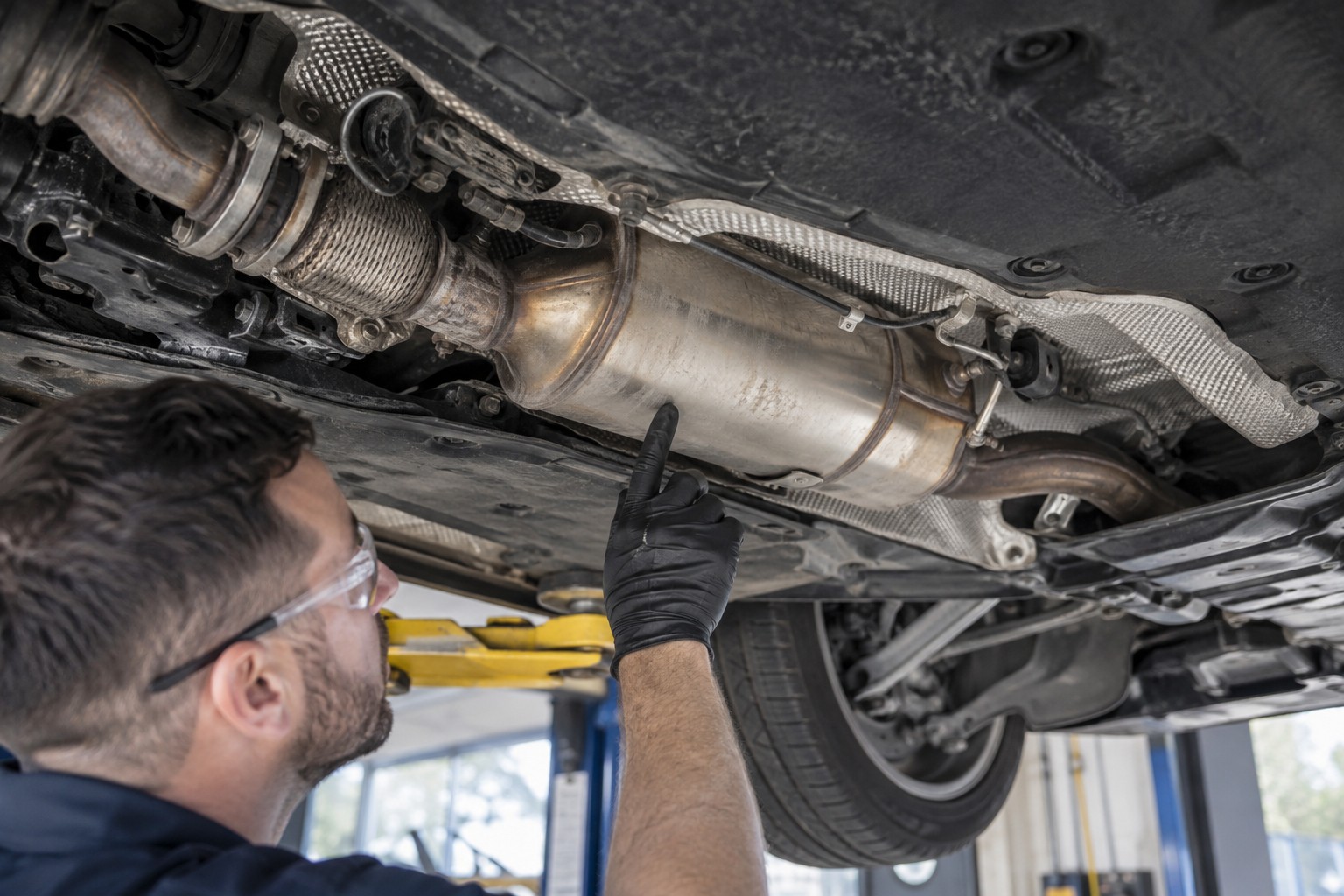
A DPF, or diesel particulate filter, is a honeycomb block in the exhaust that catches soot. Every diesel Volkswagen and Audi sold here in recent years has one, because emissions rules require it.
Soot fills the filter as you drive, so the car has to empty it. It does that by burning the soot off at high exhaust temperature. On a long run the exhaust gets hot enough by itself, which is passive regeneration. When it does not, the engine control unit raises the temperature deliberately. That is active regeneration, and most owners never notice it.
Ash is the part people miss. Soot burns away. Ash does not. It settles in the honeycomb and stays, so every filter has a working life.
The DPF is also not AdBlue. The filter traps soot. AdBlue is a urea fluid injected into the exhaust to cut nitrogen oxides, with its own tank, warning and faults.
What does a DPF light mean on a VW or Audi?
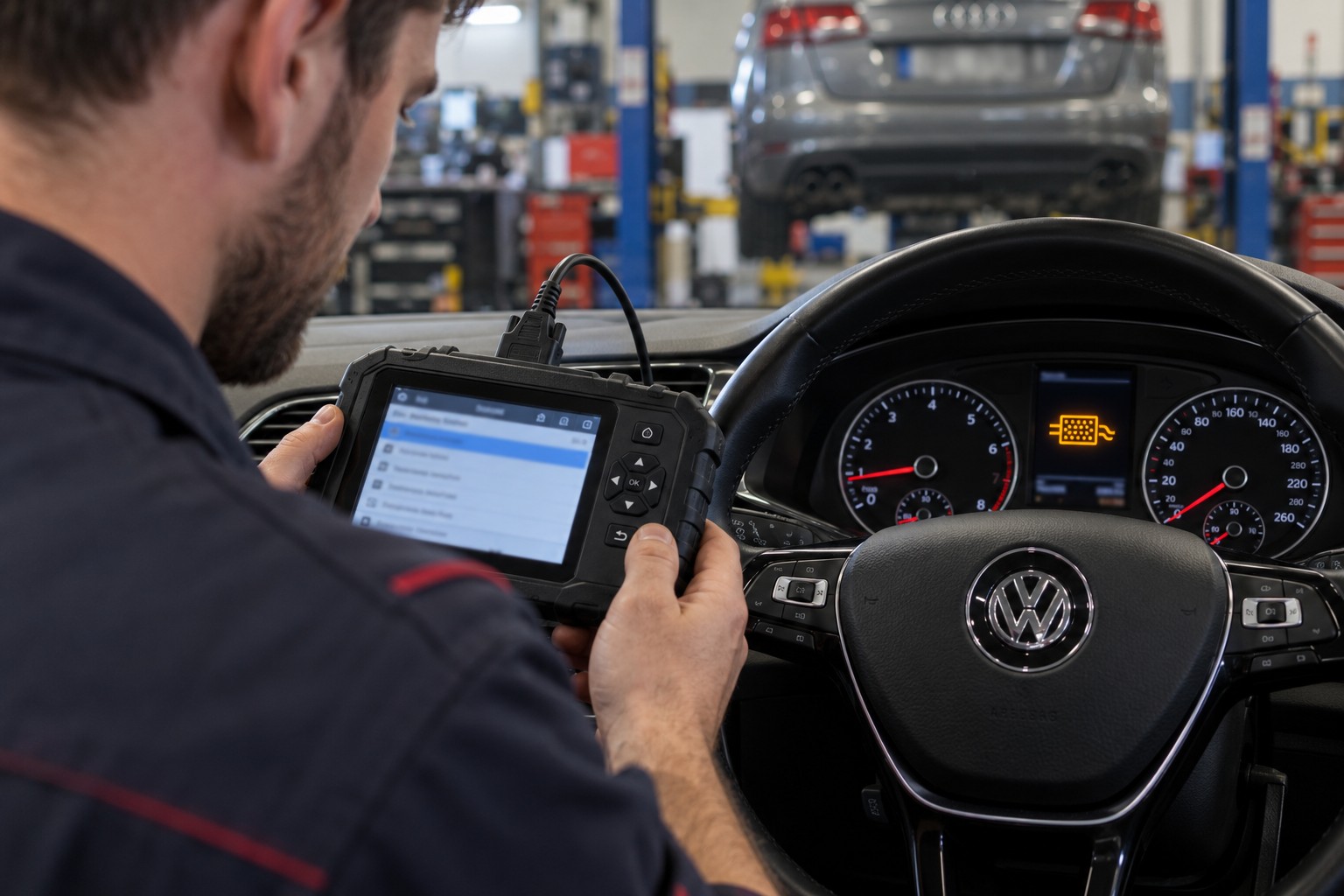
A DPF light on its own means the filter is filling and a regeneration needs finishing. Volkswagen Australia puts the trigger at around 45 per cent full of soot. It asks the driver to drive above 60 km/h at 2,500 to 3,000 rpm for about 25 to 30 minutes. The light should then go out by itself.
A DPF light with lost power means something else. As soot levels climb, the car limits engine power to protect itself. Volkswagen calls this limp mode. The car feels flat and will not rev out. Driving cannot clear it, because the engine can no longer make the heat a regeneration needs.
Audi does not publish the same figures. On a diesel Audi, treat a filter light on its own as an unfinished cycle, and check the owner’s manual for the drive it asks for. The distinction is the same on both makes. Light only, or light plus lost power.
Check one more thing. Did another warning come on with it? A filter light beside an engine fault light is a different problem. The general dash set is a separate subject, and the warning lights Audi drivers misread most are covered in their own article.
Why does my DPF keep blocking?
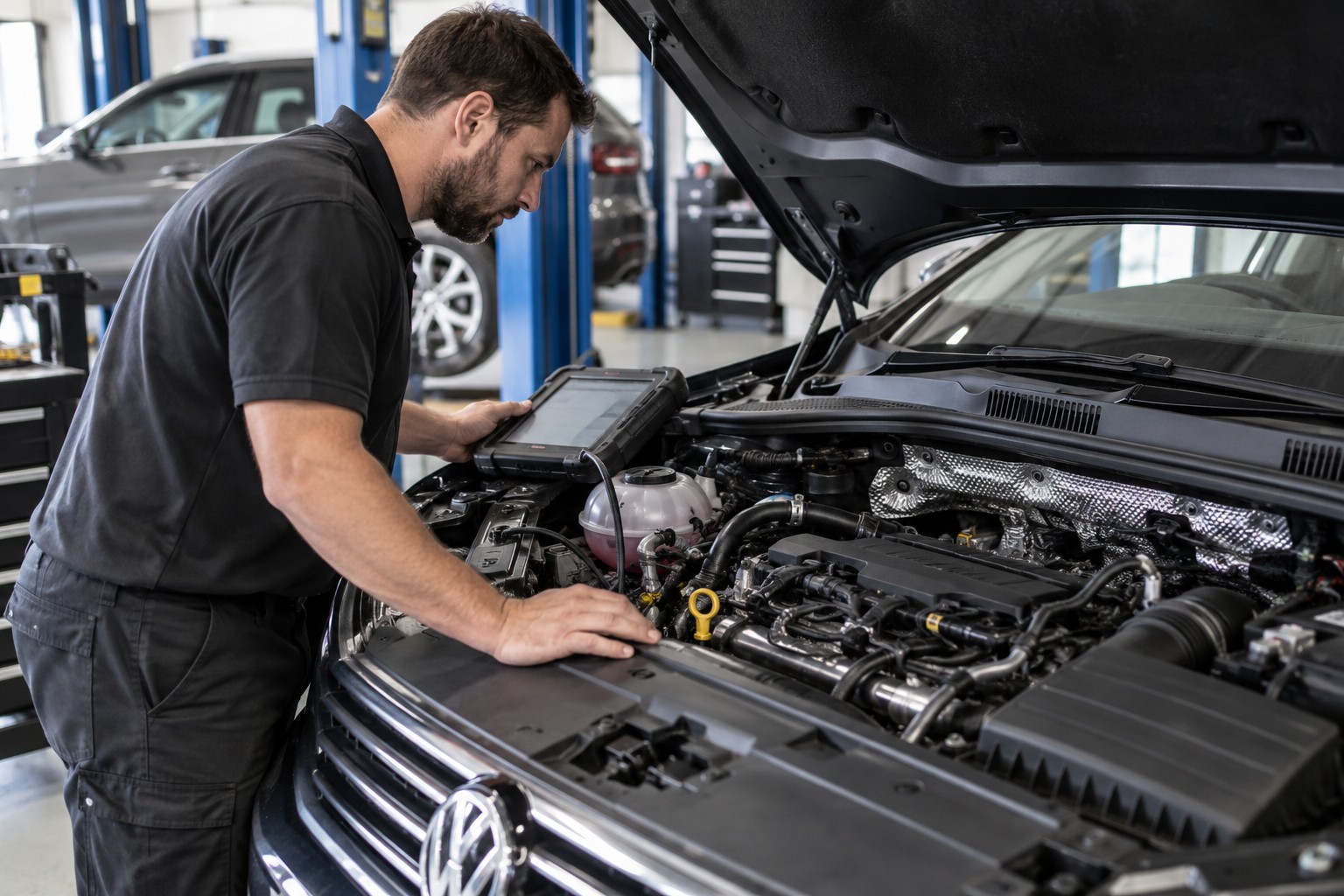
A filter that blocks once has had a bad month. A filter that keeps blocking has a reason, and short trips are only the first of five.
Short trips are the common one. A cold engine makes more soot. A drive that ends before the exhaust is hot leaves the regeneration half done. Do that often and the filter never gets back to empty. It is an ordinary pattern around the Northern Beaches, where a run to Brookvale, a school drop at Dee Why and home again can be most of a week’s driving.
A failing EGR valve is next. The exhaust gas recirculation valve feeds a measured amount of exhaust back into the engine to cut nitrogen oxides. Soot builds up on the valve and in its passages. A valve stuck open sends far more soot down the exhaust than the filter was built to take. Nothing you do at the wheel changes that.
Injector faults work from the other end. An injector that leaks or sprays badly puts extra fuel into the cylinder. Extra fuel burns dirty, and dirty burning means more soot.
A faulty differential pressure sensor is the one nobody expects. It measures the pressure difference between the two ends of the filter. That difference is how the car works out how full it is. If the sensor drifts, or a small hose splits or blocks, the car can report a blockage that is not there. It can also run regeneration after regeneration chasing a reading.
Wrong oil is the slow one. A diesel with a particulate filter needs a low-ash engine oil to the Volkswagen or Audi specification for that engine. Ordinary oil leaves ash that no regeneration can burn off, and ash never leaves. A few services on the wrong oil take years off a filter.
Can you clear a blocked DPF by driving?

Sometimes. It works when the light is on by itself, the car drives normally and nothing else is at fault. A sustained run at the speed and revs the maker asks for lets the cycle finish.
It will not work in these cases:
- The car is already limiting power, so it cannot make the heat a regeneration needs.
- A fault is stopping the cycle starting, such as a stuck EGR valve or a bad pressure sensor.
- The filter holds ash rather than soot, and ash does not burn.
- Every drive is cut short again, so the cycle never finishes.
Getting this wrong has a cost. Driving hard on a filter that is close to full pushes soot deeper into the honeycomb. That filter is then more likely to need replacing than cleaning.
One side effect worries people. An active regeneration burns extra fuel while it runs, so a short spell of worse fuel use is not always a fault.
What is a forced regeneration and when is it needed?
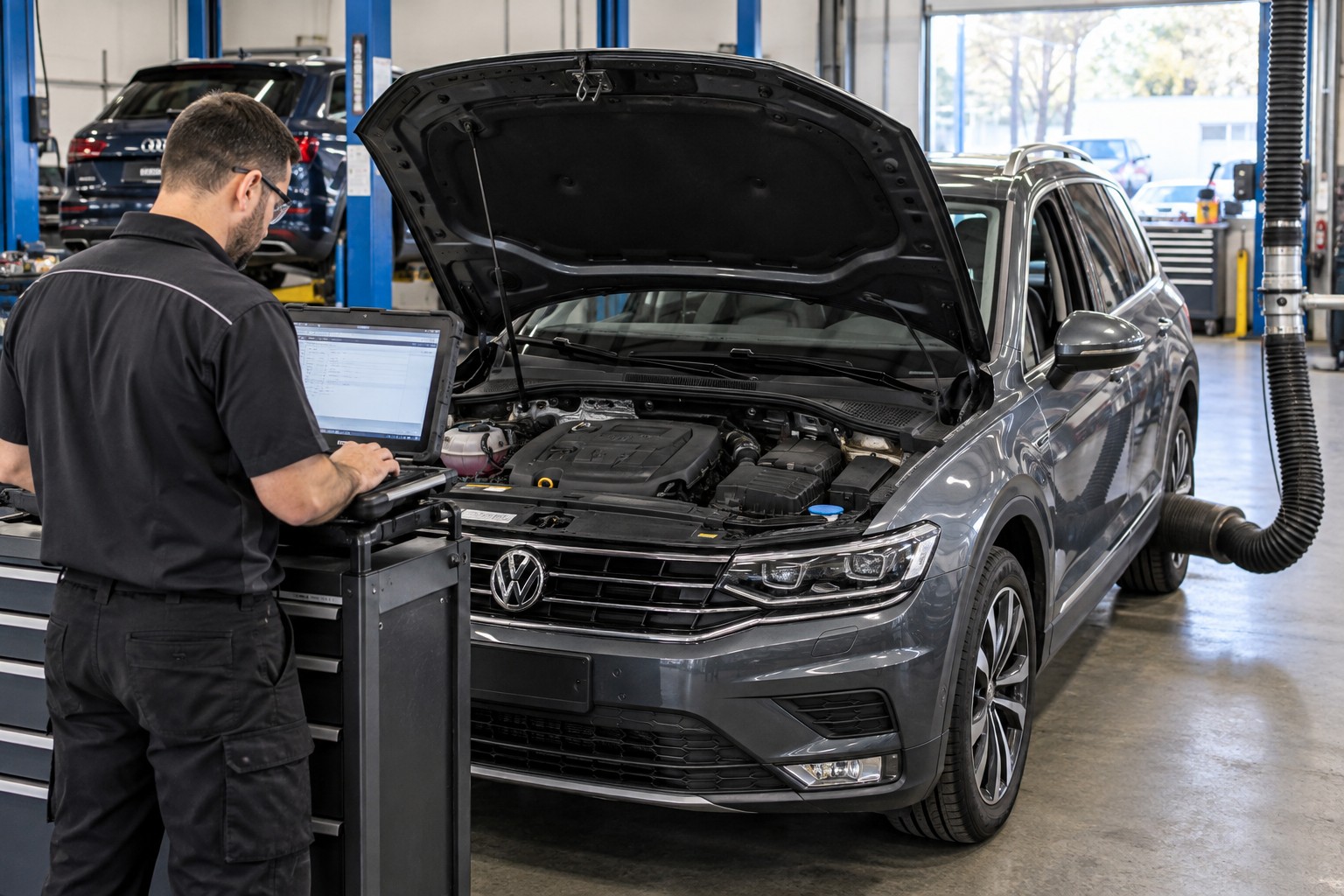
A forced regeneration is a workshop running the burn-off cycle deliberately, with the car standing still and diagnostic software in place of a drive.
The steps are ordinary. A technician plugs into the diagnostic port and reads the soot loading, the pressure sensor value and any stored fault codes. The car refuses to start the cycle unless the preconditions are met: enough fuel, the right oil level, coolant up to temperature and no blocking fault. The engine is then held at raised revs until the exhaust reaches burn temperature, for roughly half an hour.
It is worth doing when the filter holds soot and the cause has been fixed. It is money wasted when it has not. A car that needs forcing every few weeks is telling you something upstream is still making soot.
Above a certain soot load the software refuses to run it at all, because burning that much soot at once can crack or melt the honeycomb. From there the filter comes off for cleaning, or it is replaced.
What decides the cost of DPF cleaning or replacement?
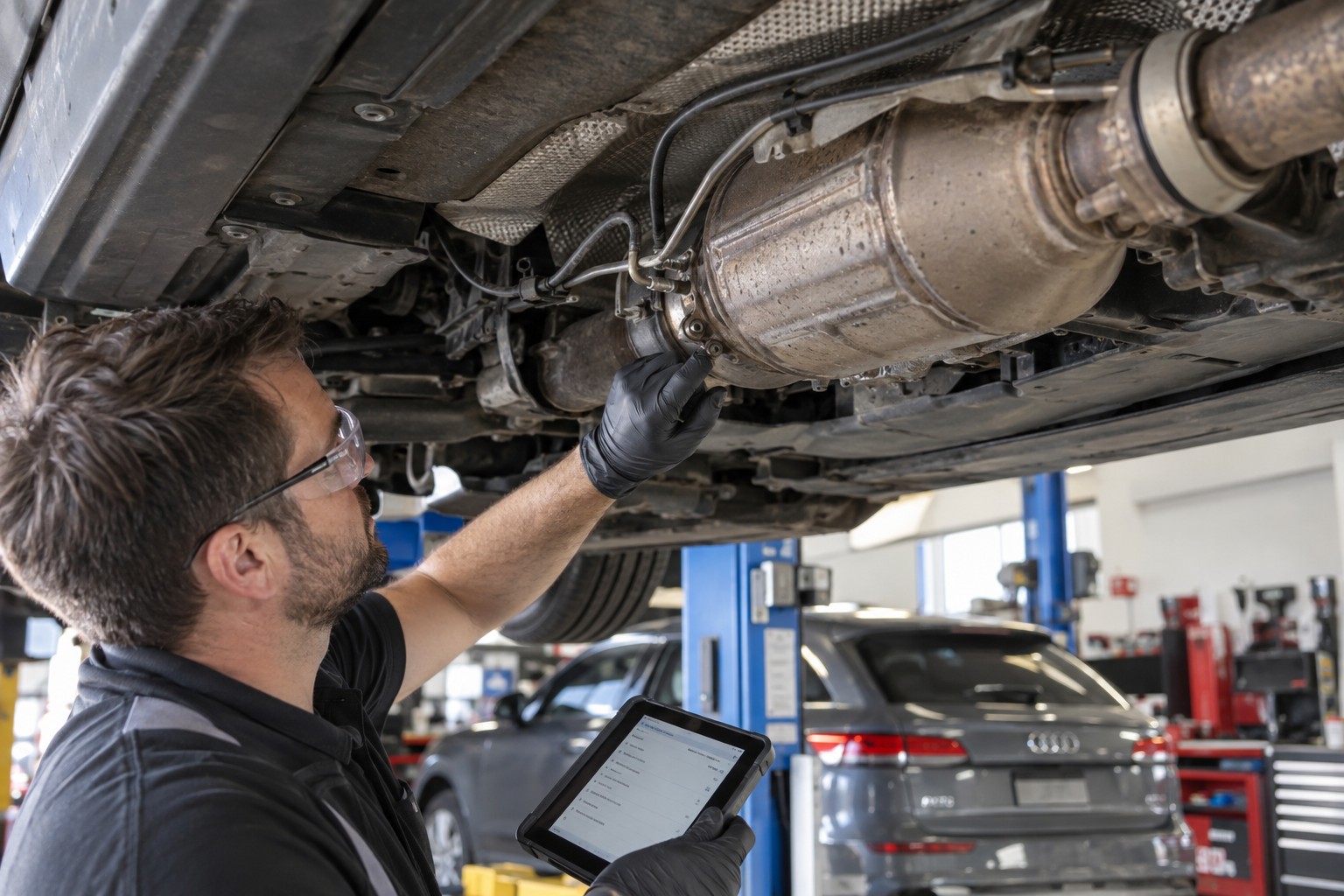
Public price guides in Australia disagree so widely on this job that a single range would mislead you. What is worth knowing is what moves the number.
Cleaning or replacing is the biggest factor. Soot can be burned or washed out. Ash cannot, so an ash-loaded filter is a replacement whatever the cleaning quote says.
Whether the cause has been found is the second. Clean a filter without fixing the valve, the injector or the sensor that filled it, and you pay again within months.
What comes off with it matters too. A pressure sensor and its hoses are small parts. An EGR valve is not, and on some engines reaching it takes most of the labour. Genuine and aftermarket filters are not the same money either.
Ask for the quote to be itemised, with the cleaning, the part, the cause and the sensors priced separately.
Is it legal to remove a DPF?
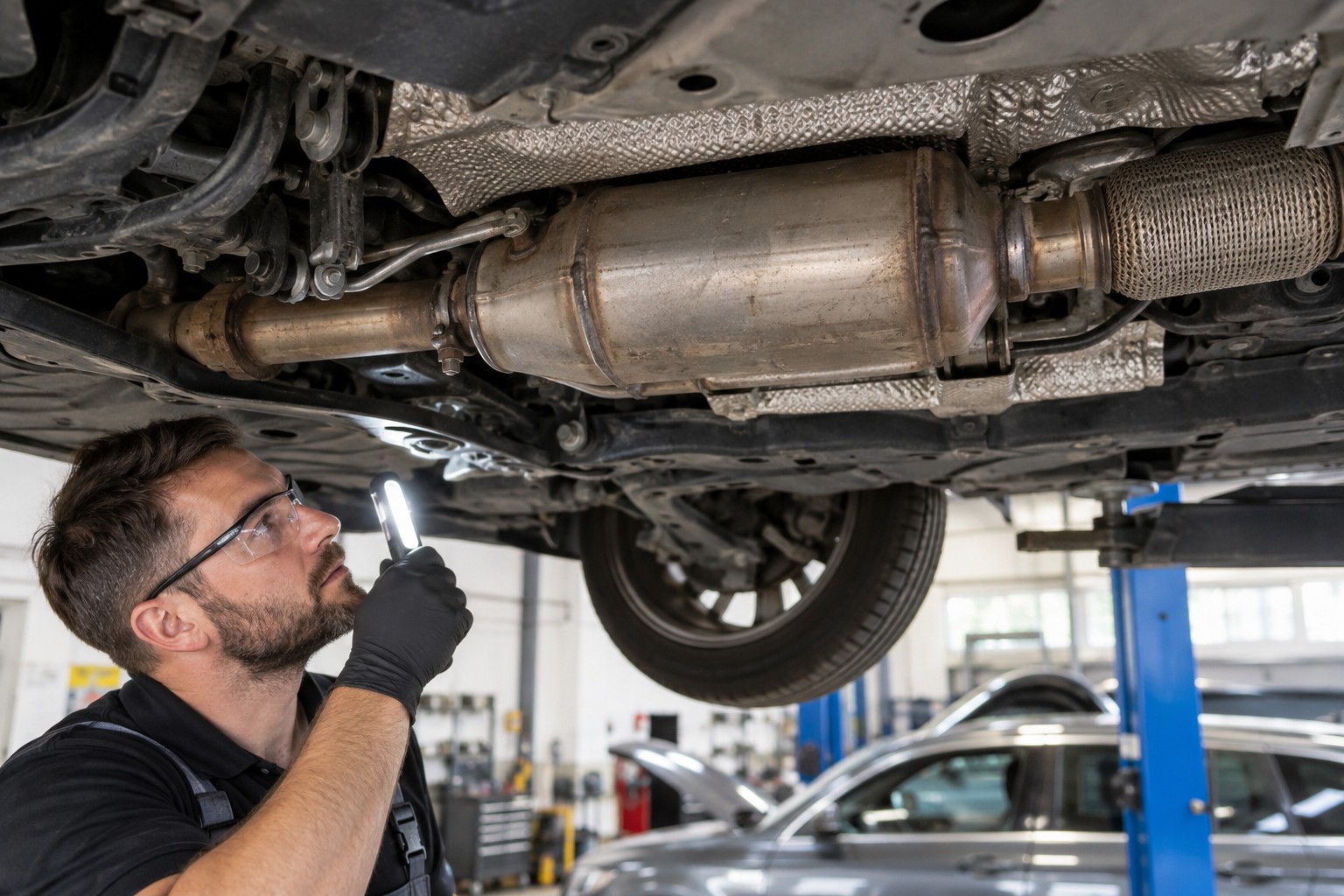
No. In New South Wales a particulate filter is a prescribed anti-pollution device under the Protection of the Environment Operations (Clean Air) Regulation 2022. Section 157 of the Protection of the Environment Operations Act 1997 makes it an offence to remove, disconnect or impair an anti-pollution device fitted to a motor vehicle. Causing or permitting it is an offence too, so the owner is not outside the wording.
That wording covers more than taking the filter out. Disconnecting it counts, and so does impairing it. The maximum penalties are heavy. A cheap tune that deletes the filter is not a fix.
Have the soot loading read before you agree to a new filter
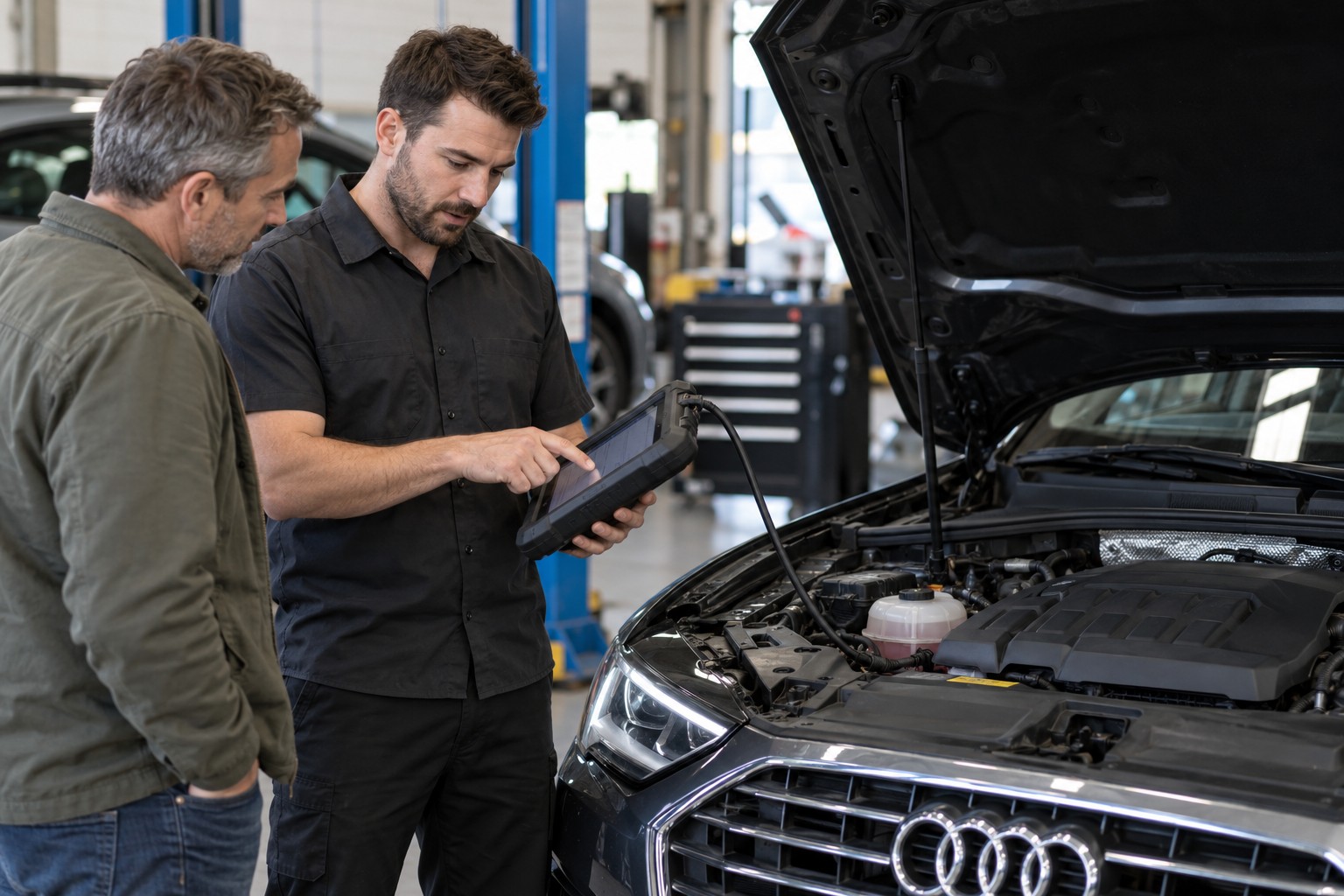
A blocked filter and a failed pressure sensor produce the same warning light. That is the most useful thing to know before you spend anything, because one is a small part and the other is not.
Ask for three numbers before you agree to any DPF work. The soot loading the car reports, the differential pressure reading, and any stored fault codes. A Volkswagen and Audi specialist can read all three from one diagnostic scan, with nothing taken off the car.
If you have a quote for a new filter and nobody has shown you those readings, get in touch before you sign it.
Frequently asked questions
Is it safe to keep driving with the DPF light on?
Usually yes, for a short while, if the light is alone and the car drives normally. Treat it as a job for this week rather than this month. Once power drops away, book it in.
Why does the DPF light keep coming back after a regeneration?
Because the regeneration dealt with the soot and not with whatever put it there. A valve, an injector or a sensor left unrepaired goes on filling the filter at the same rate.
Can the DPF light come on when the filter is not blocked?
Yes. The car judges the blockage from a pressure reading rather than by looking. A drifting sensor or a split hose can raise a warning with a healthy filter behind it.
Does a DPF need replacing eventually?
Every filter does. Each burn-off leaves a little ash behind, and that ash stays in the honeycomb for the life of the part. Sensible driving and the right oil push that day a long way out.
Do short trips always block a DPF?
No. Plenty of diesels do short runs for years without trouble, because the car still finds chances to finish a cycle. Short trips bite when they are nearly all the car ever does.