
Transmission slipping is one of the most noticeable issues for owners of modern Audi and Volkswagen vehicles, yet many are unsure what the signs mean or how serious they are.
The problem can start quietly. A brief pause when accelerating from the lights, or a sudden jump in engine speed during a highway climb. These moments are often dismissed until they grow more frequent, at which point the risk of major damage increases.
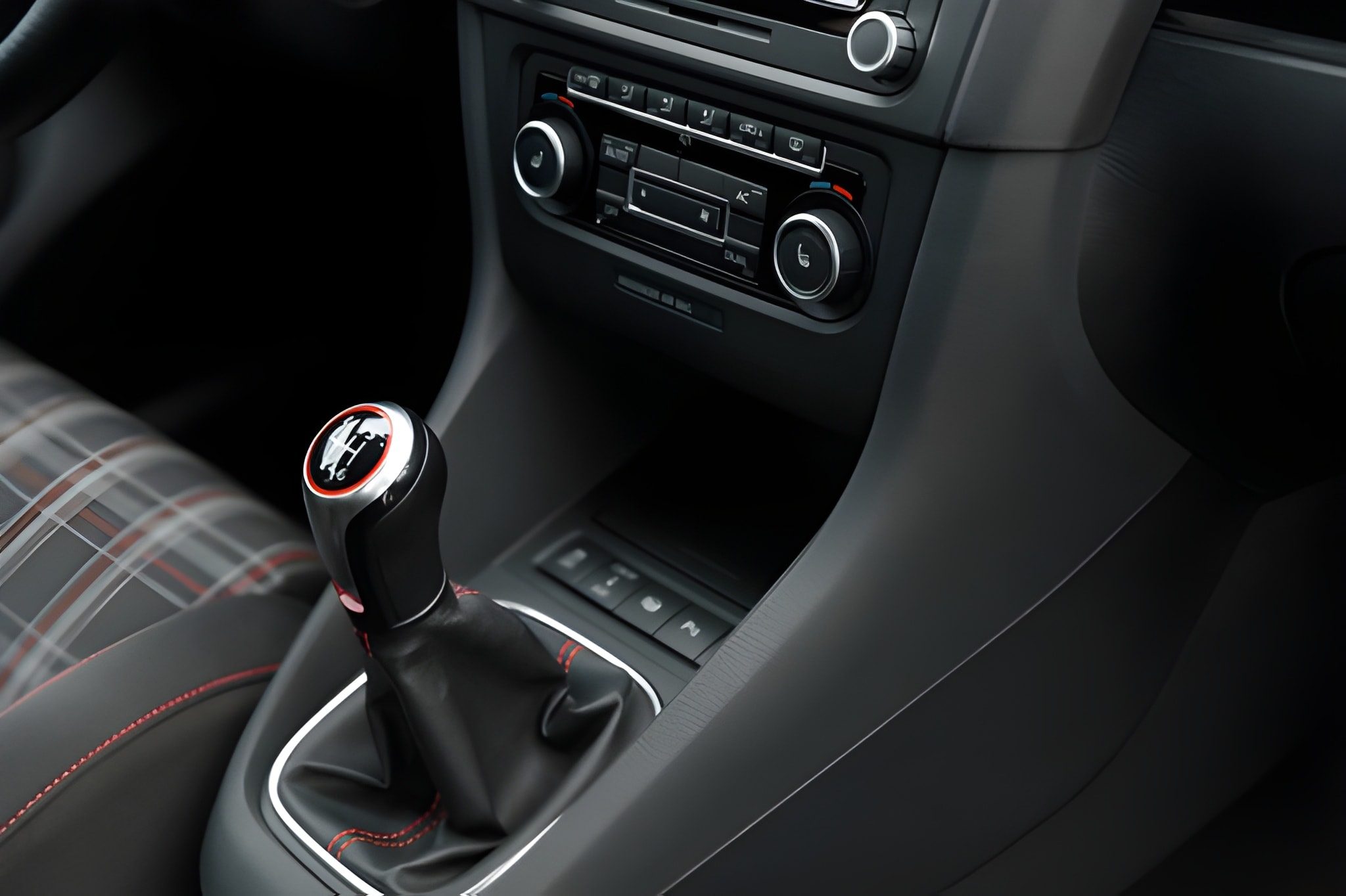

What Drivers Feel Behind the Wheel
What Causes Transmission Slipping
Fluid condition
Automatic gearboxes rely on fluid for lubrication and hydraulic pressure. Low levels, old fluid or contamination reduce the ability to keep gears engaged.
Worn clutch packs or bands
Inside the transmission, clutches and bands hold gears in place. Once worn, they slip under load, creating surging or hesitation.
Faulty solenoids
Solenoids control the flow of fluid within the gearbox. If they stick or fail, gears may engage late or not at all.
Sensor issues
Modern European transmissions use sensors to monitor speed, pressure and position. A faulty sensor can send incorrect data to the control unit, leading to gear changes at the wrong time.

What Happens if Slipping is Ignored
How Mechanics Confirm the Problem
Why Early Intervention Matters
Many slipping problems are caused by issues that can be resolved with servicing. A fluid and filter change, combined with recalibration, can restore normal operation if caught early. Once clutches and bands are badly worn, or if solenoids and sensors fail, the repair is more complex.
For owners, recognising the symptoms early and booking a service can mean the difference between a routine job and a major rebuild.
Are Transmission Issues Common for Sydney vehicles?

FAQs
A sudden rise in engine revs without a matching increase in road speed is often the first clue.
If caught early, yes. Fresh fluid and filters can resolve many early-stage issues before internal damage occurs.
No. Continued driving accelerates wear and risks sudden failure.
For most European models, the interval is between 60,000 and 90,000 kilometres. Local conditions may require shorter intervals.
They use advanced gearboxes with complex electronics. Servicing requires specialist fluids and diagnostic tools designed for European vehicles.


