
Gear changes are quick, clean and almost seamless. When something is wrong, the change in behaviour is obvious. The gearbox might shudder when taking off, hesitate when shifting or feel rough in stop start traffic. These early signs are important because DSG faults rarely stay small for long.
The DSG is one of the most advanced gearboxes fitted to mainstream cars. It combines the control of a manual with the convenience of an automatic, but that precision comes from a system that depends on accurate pressure, smooth clutch engagement and correct sensor data. When one part begins to slip out of balance, the symptoms appear quickly.
The early signs drivers usually notice
Why the DSG behaves differently from a normal automatic
How the DSG system works
| Component | What It Does | Why It Affects Smoothness |
|---|---|---|
| Twin clutches | Engage and disengage gears | Wear or contamination causes shudder |
| Mechatronic unit | Controls hydraulic pressure | Faults cause rough or delayed shifts |
| Clutch packs | Transfer power to driveline | Wear shows up first at low speeds |
| Sensors | Monitor speed and position | Incorrect data triggers protective behaviour |
| Gear actuators | Move selector forks | Weak actuators cause missed or harsh shifts |
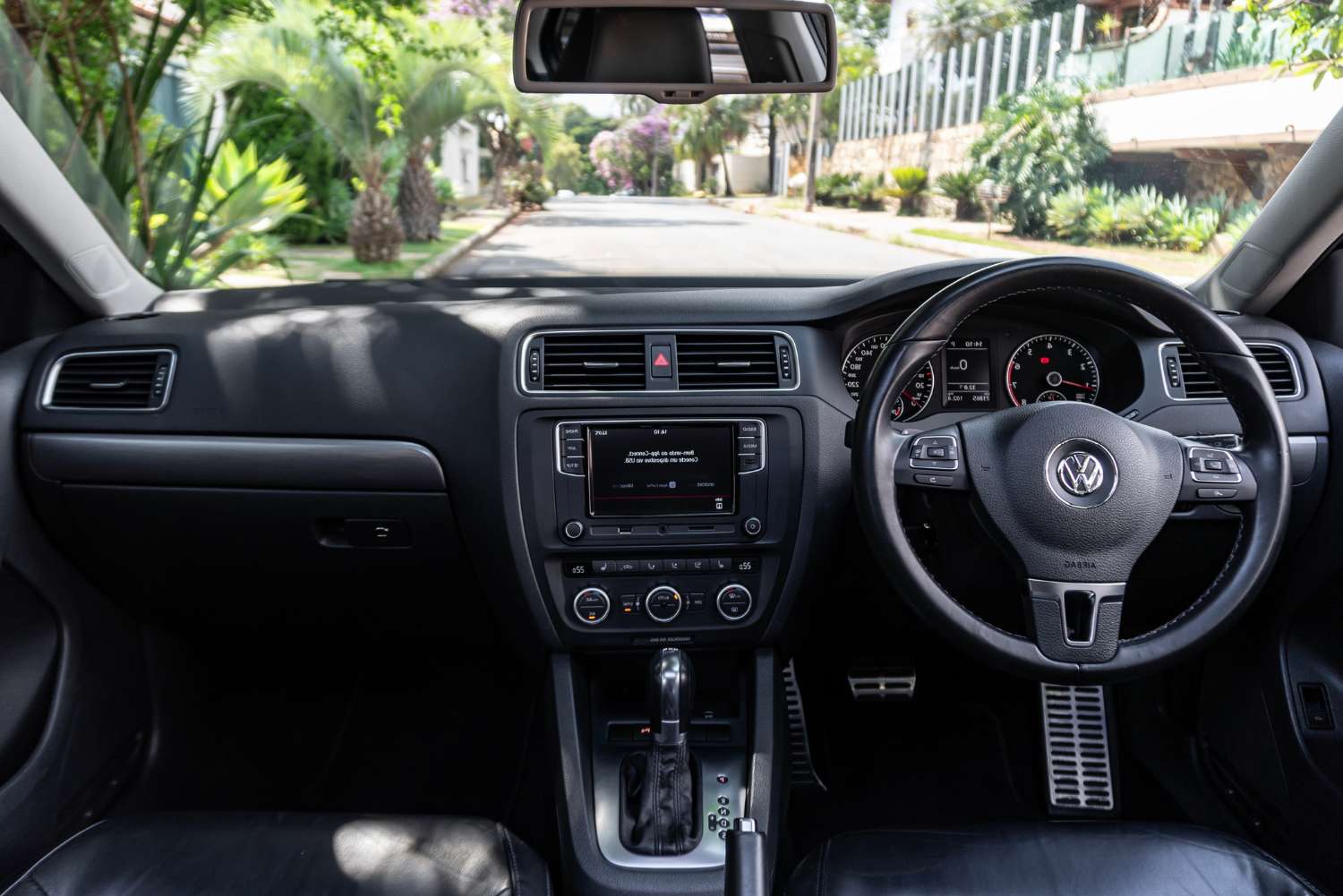
Clutch wear is the most common source of rough take offs
Signs of clutch pack wear
Mechatronic faults cause some of the most dramatic symptoms
The mechatronic unit is the brain and hydraulic heart of the DSG. When this part fails, shifting becomes unpredictable.
Typical signs of mechatronic issues
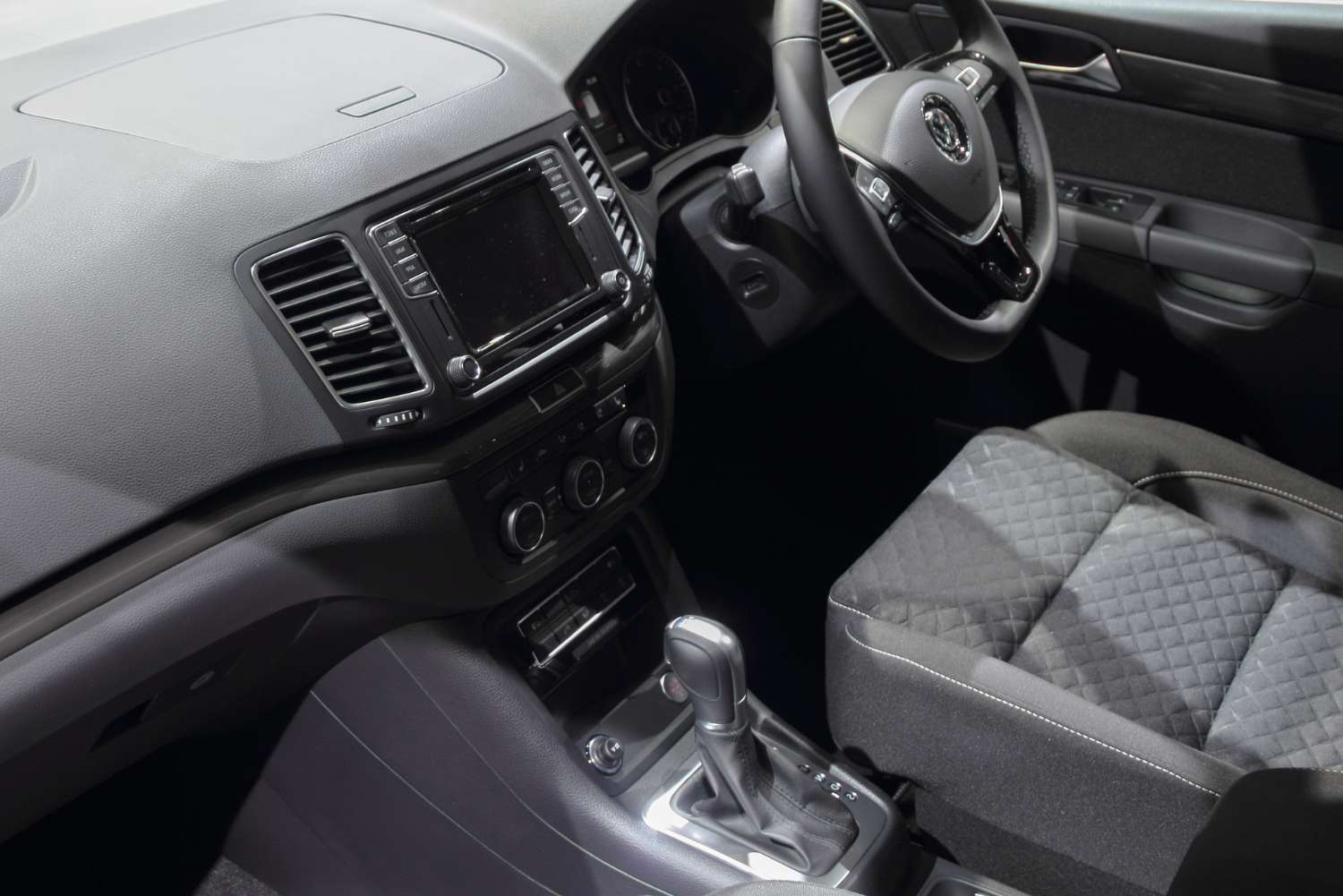
Hydraulic pressure problems affect shift timing
The DSG depends on stable hydraulic pressure. Even minor leaks or internal valve issues disrupt the control of the clutch and gear actuators.
When pressure is unstable
| Symptom | Likely Cause |
|---|---|
| Jerky shifts | Low pressure or sticky valve |
| Hesitation | Pressure loss under load |
| Overheating warning | Excess internal slip |
| Random gear drops | Actuator pressure fault |
Software adaptations can hide deeper mechanical faults
DSG gearboxes adapt to driving style. When a mechanical part starts to wear, the software may compensate for a while. Once the adaptation limit is reached, the roughness returns suddenly.
Common adaptation related symptoms:
Oil contamination has a major impact on DSG health
DSG units depend on clean, correct specification fluid. Old or contaminated oil leads to clutch slip, poor pressure control and overheating.
Drivers may notice:
Why DSG problems get worse quickly
For Audi and VW owners, the feel of a DSG gearbox is one of the reasons they chose the car. Any change in smoothness is a sign that the system is not working the way it should. The sooner the cause is identified, the lower the risk of major failure and the less expensive the repair is likely to be. With the right diagnosis and servicing, many early DSG symptoms can be corrected before they develop into a major repair.


