
They are quick, composed and predictable. But anyone who has driven the same model overseas notices the difference straight away. The steering feels lighter here. The transmission behaves differently. The power delivery changes with the weather. Even the way the car rolls over suburban streets feels subtly altered.
None of this is a fault. It is the result of two things working together. The first is the engineering behind modern Audi and Volkswagen models. The second is Sydney itself. Conditions here reshape how these cars behave, even though they share the same hardware as their European counterparts.
Understanding these differences helps explain why European cars sometimes feel smoother, sharper or more responsive overseas than they do in daily Sydney driving.

Climate plays a bigger role than most drivers expect
Sydney’s climate sits far outside the conditions most German engineers design around. European weather patterns are cool and stable for most of the year. Sydney’s are not.
Heat changes how engines breathe
When temperatures climb, the air entering the intake becomes less dense. Turbocharged engines rely on dense air for strong boost. On hot days, especially in stop–start traffic, the engine management system gently adjusts power to protect the turbo and reduce heat load.
This is why the same Audi or VW can feel stronger on a crisp 10-degree morning than during a 35-degree afternoon run across the Spit Bridge.
Humidity affects electronics and sensors
Moist air can influence wheel-speed sensors, intake sensors and even throttle response timing. The car is not malfunctioning. It is compensating for changes that do not exist in Northern Europe.
Temperature swings alter ride and handling
Tyre pressures move more throughout the day in Sydney than in Germany. One morning run can feel soft and muted. An afternoon trip can feel firmer and more connected. The car is the same. The conditions are not.
Fuel blends influence performance and drivability
Australian fuel is formulated differently from European fuel, especially in terms of sulphur content and aromatic compounds. These variations change combustion behaviour.
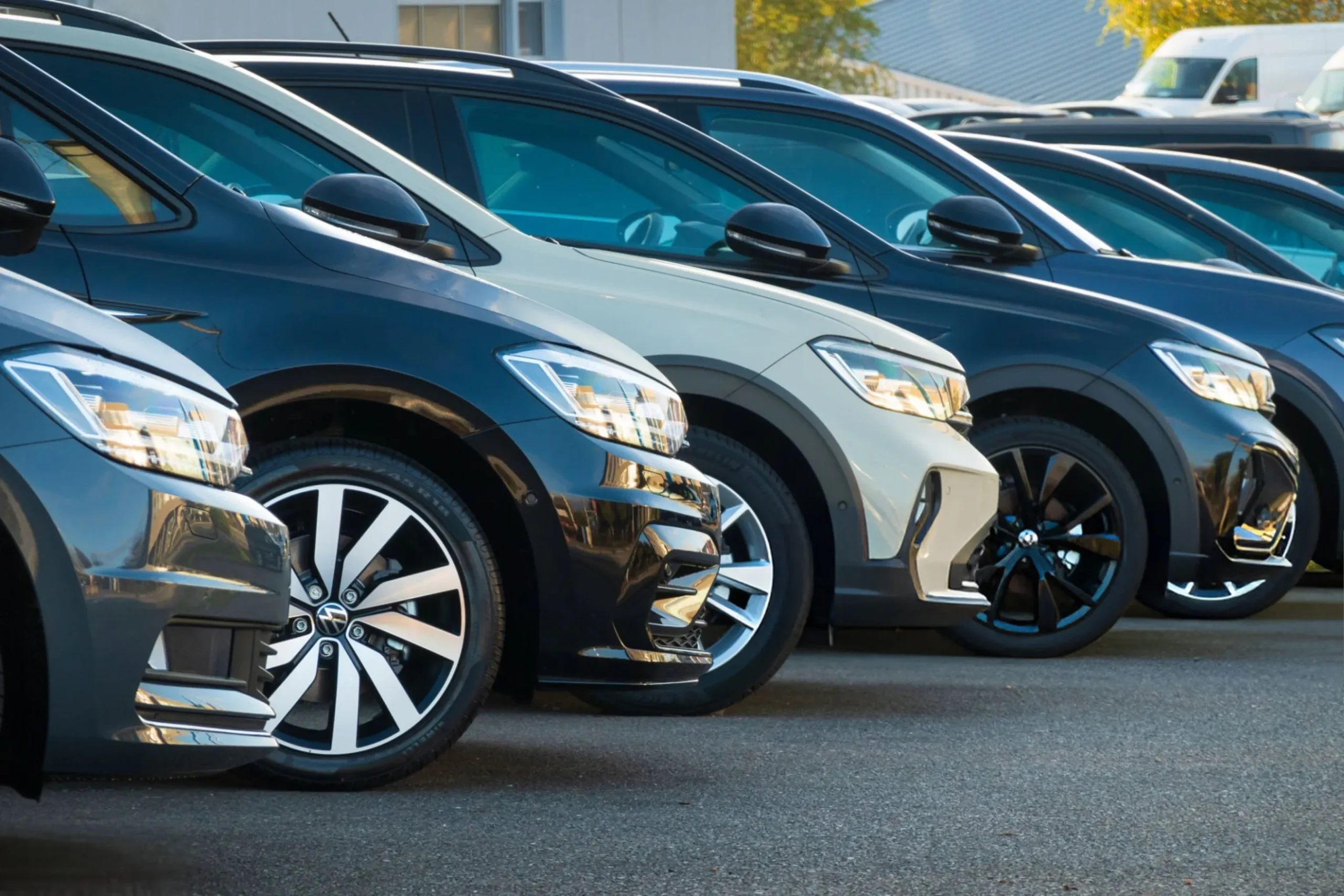
Octane labels don’t mean identical performance
Long-term trims adapt to local fuel
After a few tanks, the engine settles into a fuel map suited to Australian petrol.
Drivers visiting Europe often notice the engine feels “tighter” or “more eager” on local fuel there. This is normal.
Sydney’s traffic changes the behaviour of modern transmissions
Audi automatic and VW DSG transmissions are tuned for a combination of rolling speed, smoothness and efficiency. Traffic conditions influence how they choose gears.
Stop–start traffic forces different decisions
Sydney’s congestion is far more aggressive than what these cars experience in many European cities. DSG units adapt quickly. Conventional autos take longer. Either way, drivers notice:
- earlier upshifts
- softer throttle response
- occasional hesitation
- small changes in creep behaviour
These are adaptation choices, not mechanical problems.
Hilly suburbs influence gear selection
Neutral Bay, Mosman, Seaforth and parts of Brookvale present constant inclines. European urban environments are usually flatter. Gearboxes respond instantly to gradients by holding gears longer or adding torque to keep the car stable on hills.
This is why an Audi may feel more relaxed on German ring roads but more decisive in the Northern Beaches.
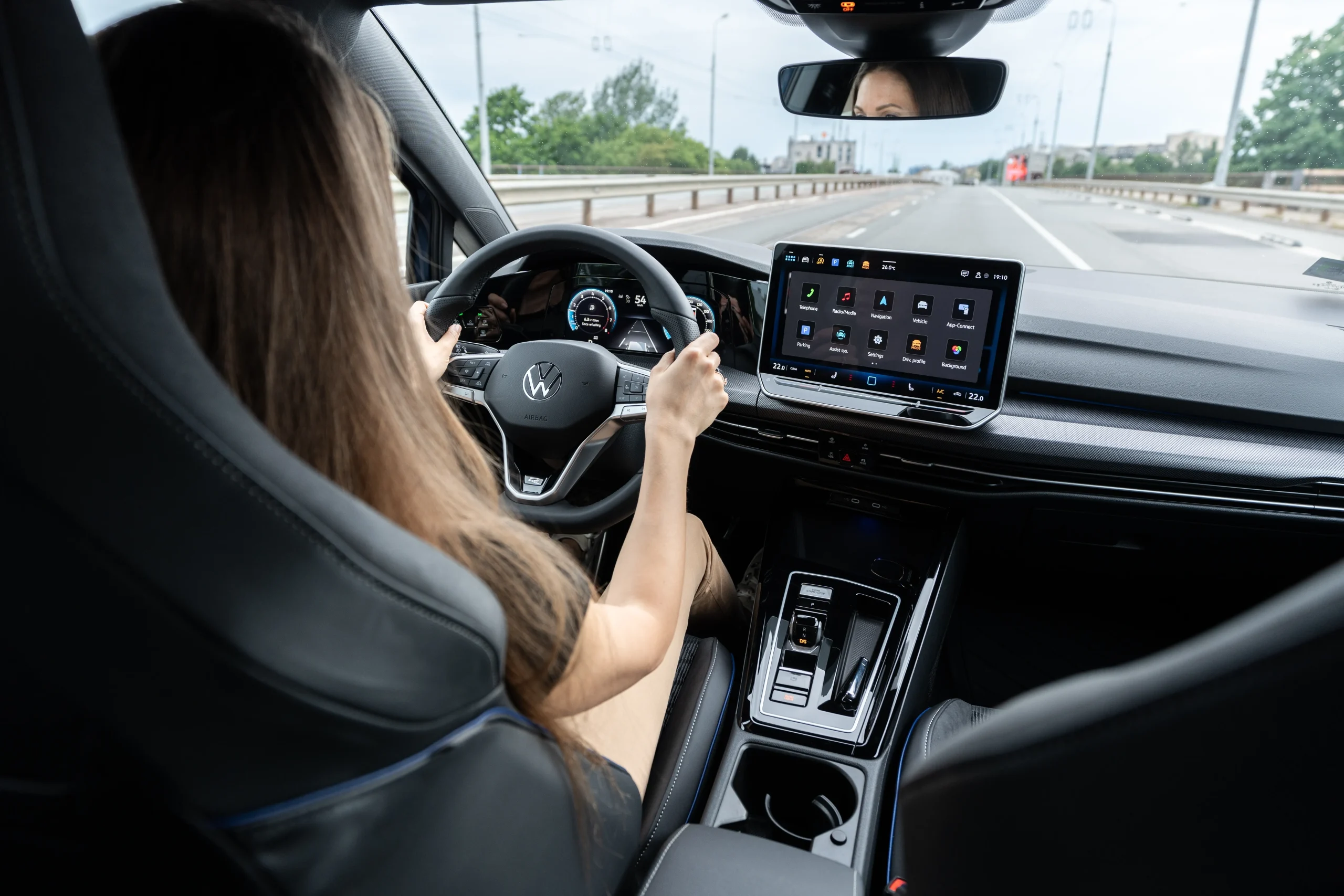
Road surfaces shape steering and cabin feel
Australian roads use a different asphalt composition. Many are rougher and noisier than their European equivalents.
European engineers tune cabin acoustics for particular frequencies. Australian coarse-chip bitumen produces harsher frequencies that the insulation cannot always neutralise.
The car may feel firmer or louder here despite being mechanically identical.
Short-trip driving affects how a European car behaves day to day
Sydney drivers often use their cars for short errands: school runs, beach runs, supermarket stops. These patterns influence how the car feels.
Audi and VW learn from driver behaviour. Short trips give them little information. The result is:
- slower throttle adaptation
- less stable DSG learning
- uneven gear changes
After a long country drive, the car feels smoother because the systems have enough consistent data to recalibrate.
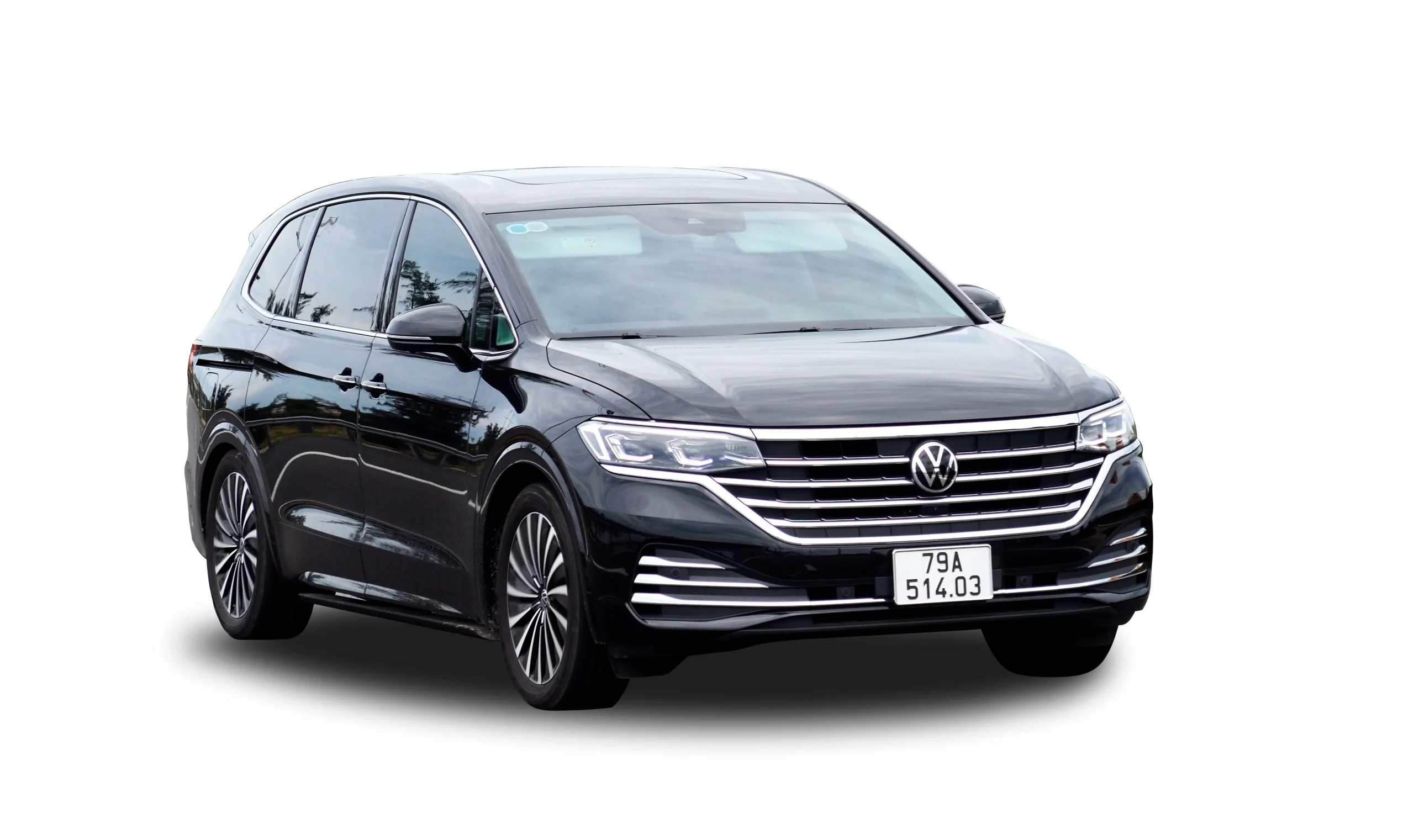
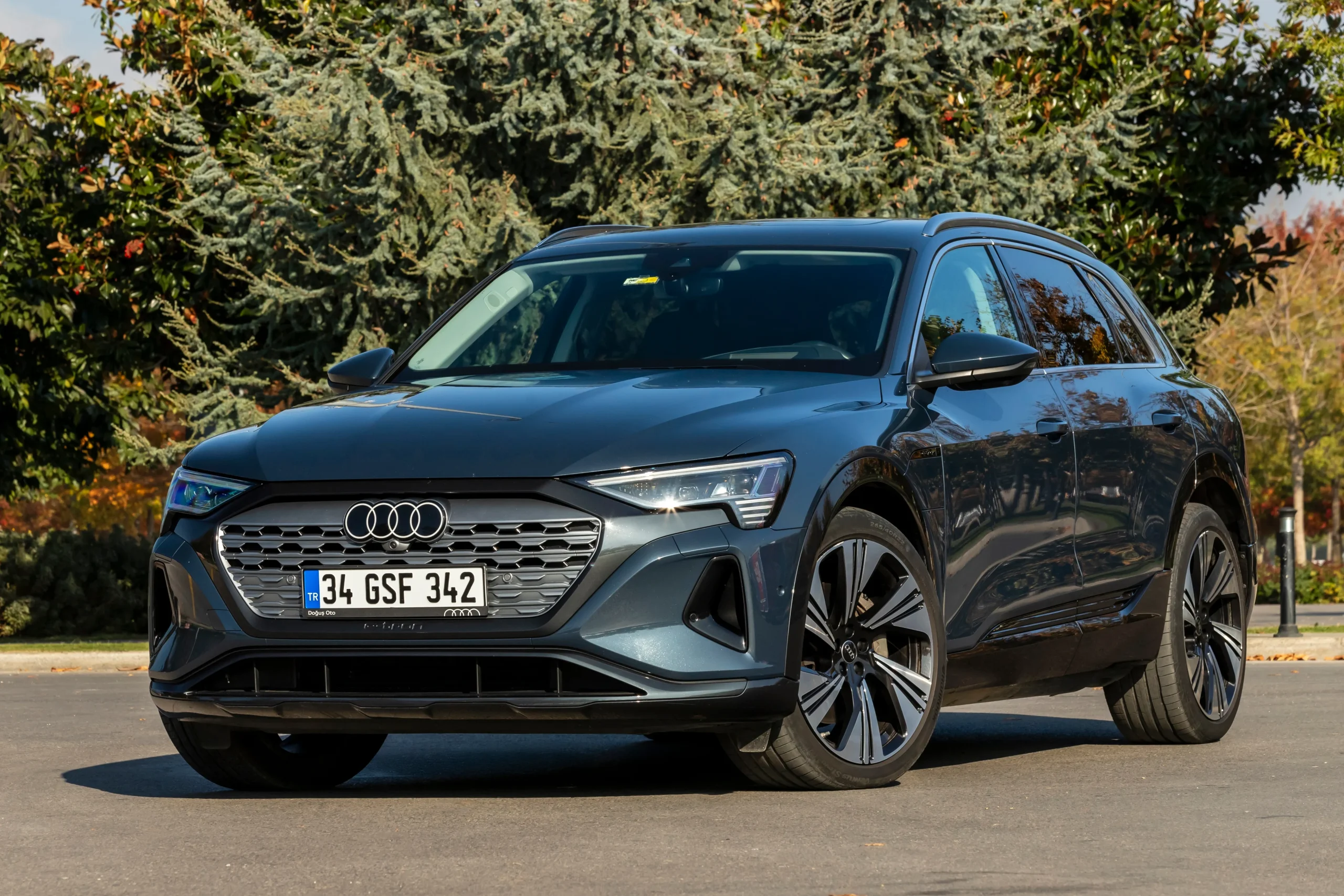
Why European cars feel different on the open road
Nearly every Audi or VW owner recognises the difference during a weekend trip out of Sydney. The steering firms up. The transmission becomes more decisive. The engine breathes better. Even the suspension feels more settled.
This happens because:
The car finally operates within the conditions the engineers had in mind.
Nothing about these differences suggests the car is better or worse in Sydney. It simply behaves differently because the environment asks it to.
European cars are designed for a specific combination of climate, fuel and traffic. Sydney offers a completely different set of parameters. The engineering adapts constantly to match what it senses.
For owners, this means the car might feel sharper one week, softer the next, and noticeably smoother after a long trip. All of it is normal.


