
The Golf is one of Volkswagen’s most popular cars in Australia for good reason. It’s well built, fun to drive, and holds its value better than most hatchbacks. But like every model, it has known weak points. Knowing about common VW Golf problems early is the difference between a routine service item and an unexpected four-figure repair bill.
Most of these issues follow predictable patterns. They tend to show up at specific kilometre intervals, on specific engine and gearbox combinations. A workshop that sees these every week can often catch them during a routine service, well before they become serious.
Here are the five issues we see most often across Golf generations.
Does your Golf rattle on cold start? It could be the timing chain tensioner
The timing chain tensioner is one of the most talked-about Golf weak points, and for good reason. When it fails, the chain can skip or stretch. In the worst cases, it causes serious internal engine damage.
The issue is most common on EA888 Gen 1 and Gen 2 engines (found in the Golf Mk5 GTI, Mk6 GTI, and early Mk7 models built between roughly 2006 and 2014) and on the older 1.4-litre EA111 twin-charged engines. VW revised the tensioner design several times, but earlier versions are the ones most likely to cause trouble.
The classic warning sign is a brief metallic rattle in the first few seconds after a cold start. It comes from the front of the engine and usually fades once oil pressure builds. If you hear it, don’t leave it. A stretched chain can jump timing and bend valves, turning a $1,500–$2,500 tensioner repair into a $5,000+ engine rebuild.
We’ve written about this in more detail in our article on Audi and VW timing chain rattle on cold start
What goes wrong with the Golf’s DSG gearbox?
Volkswagen’s DSG (Direct Shift Gearbox) is one of the best dual-clutch transmissions on the market when it’s working properly. When it’s not, it can be one of the most expensive components on the car.
The mechatronic unit is the most common failure point. It’s the electronic control module inside the gearbox that manages gear selection, clutch engagement, and hydraulic pressure. When it develops a fault, you’ll notice jerky or delayed gear changes, a flashing gear indicator on the dashboard, or the car dropping into limp mode.
The 7-speed DQ200 dry-clutch DSG fitted to lower-powered Golf models from around 2008 to 2014 has the worst track record. The 6-speed DQ250 wet-clutch DSG in the GTI and R is generally more robust, though it still needs its fluid and filter changed every 60,000 km to stay healthy.
Mechatronic repair at a specialist typically costs $1,800–$4,500, depending on whether the unit can be rebuilt or needs full replacement. Dealer quotes often run higher. Regular DSG fluid services are the best prevention and cost a fraction of a mechatronic replacement.
Our article on why Audi and VW DSG gearboxes feel rough before they fail covers the early warning signs in more detail.
Why do Golf water pumps and thermostat housings fail?
This is one of the most common repairs on the Golf Mk7 and newer models running the EA888 Gen 3 engine. That’s the 1.8 and 2.0-litre TSI found in the Golf, GTI, and R from 2013 onwards.
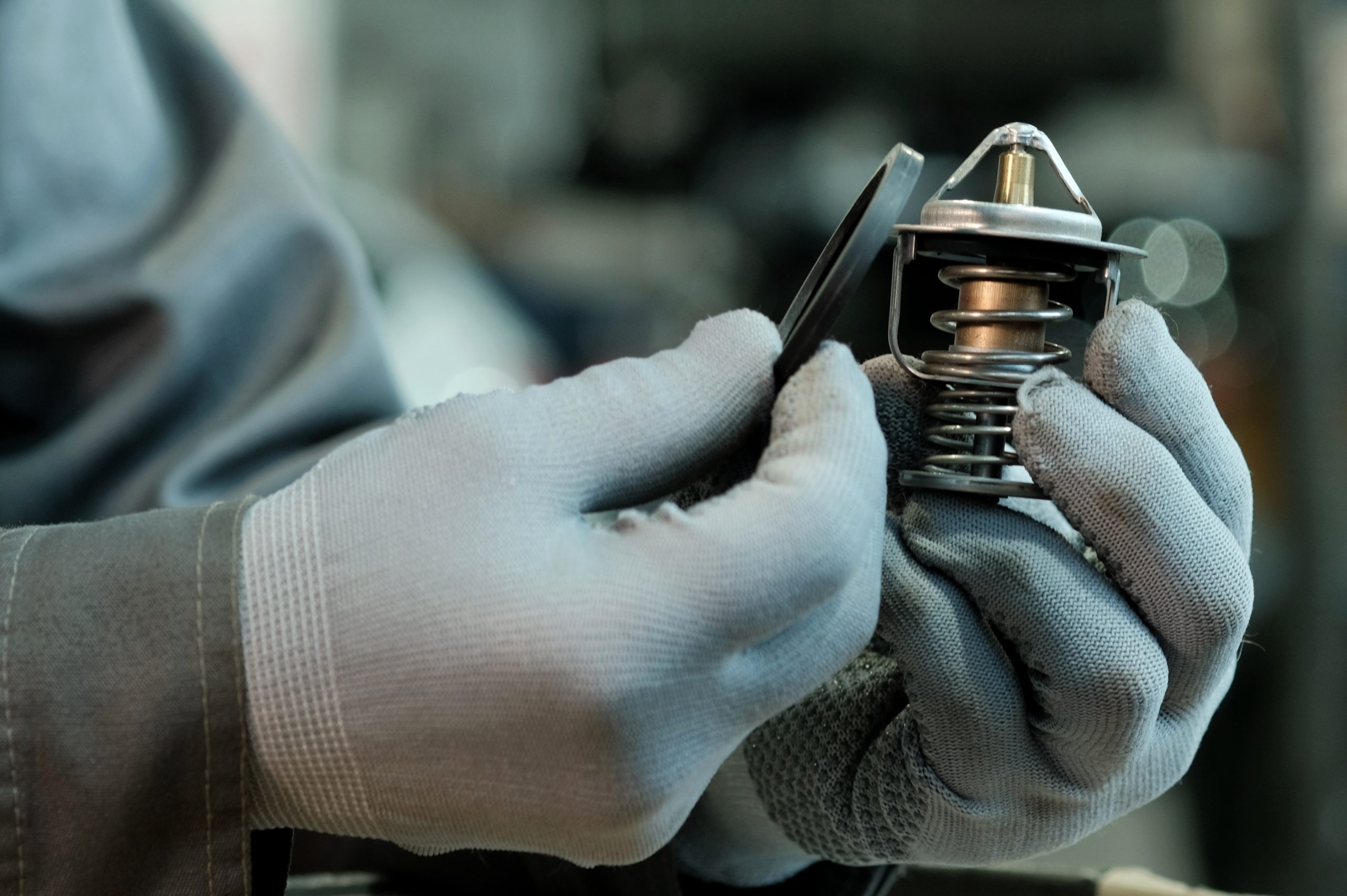
The water pump and thermostat housing are integrated into a single plastic unit. Over time, the housing can crack or the internal gasket can fail, causing coolant to leak. VW has revised the part several times, but the plastic construction remains a known weakness.
Failure typically shows up between 40,000 and 100,000 km. The first sign is usually a slow drop in coolant level. You might see the coolant warning light, notice a small puddle under the car, or smell coolant after driving. Left unchecked, the engine can overheat, risking far more expensive damage to head gaskets and pistons.
Replacement at an independent VW specialist typically costs $500–$1,200 including parts and labour. It’s worth asking your workshop to fit the latest revision parts, as earlier versions of the housing are more prone to repeat failure.
On the Northern Beaches, coastal humidity and salt air aren’t kind to plastic engine components. If your Golf is approaching 60,000–80,000 km, having the cooling system checked during your next service is a smart move.
How common are ignition coil and spark plug failures?
Very common, and fortunately not very expensive. Ignition coil failures are one of the most frequent issues across all TSI-engined Golfs. The 1.4, 1.8, and 2.0-litre petrol engines all use individual coil-on-plug ignition, and the coils deteriorate over time.
When a coil fails, the affected cylinder misfires. You’ll feel the engine running rough at idle, notice a loss of power under acceleration, and usually see the check engine light. If the light flashes rather than staying solid, that’s the car telling you to get it looked at promptly.
Replacing a single coil pack typically costs $100–$250 including parts and labour. Spark plugs should be replaced at the same time if they’re due. VW recommends new plugs every 60,000 km on most TSI engines.
The important thing is not to ignore a misfire. Running on three cylinders puts extra load on the catalytic converter, and a damaged cat is a far more expensive repair than a coil pack.
What causes carbon buildup in Golf TSI engines?
Direct injection engines, including every TSI and TFSI engine VW and Audi produce, inject fuel straight into the combustion chamber rather than through the intake ports. The intake valves miss out on the natural cleaning effect of fuel washing over them with every cycle.
Over time, carbon deposits build up on the back of the valves. This restricts airflow and causes rough idle, hesitation under acceleration, and reduced fuel economy. It tends to become noticeable between 60,000 and 100,000 km, though short trips and city driving can speed it up.
The fix is walnut blasting – crushed walnut shells are blasted through the intake ports to remove the deposits without damaging the valves. It’s a specialist job that requires removing the intake manifold, typically costing $400–$800.
This isn’t a defect. It’s a characteristic of direct injection engines across all brands. Regular oil changes with the correct VW-specification oil help slow the buildup, and a walnut blast every few years keeps things clean. We’ll cover this topic in much more detail in a dedicated article.
If your Golf feels sluggish or has lost its usual responsiveness, carbon buildup is worth investigating. Our article on why Audi and VW engines lose power under acceleration covers some of the related symptoms.
| Problem | Models most affected | Key warning sign | Typical cost (AUD) |
|---|---|---|---|
| Timing chain tensioner | Mk5–Mk6 GTI, early Mk7 (EA888 Gen 1/2, EA111) | Metallic rattle on cold start | $1,500–$2,500; $5,000+ if engine damage |
| DSG mechatronic failure | 7-speed DQ200 models (2008–2014) | Jerky shifts, flashing gear indicator, limp mode | $1,800–$4,500 |
| Water pump / thermostat housing | Mk7+ with EA888 Gen 3 (2013 onwards) | Slow coolant loss, coolant warning light | $500–$1,200 |
| Ignition coil failure | All TSI petrol engines | Rough idle, misfire, check engine light | $100–$250 per coil |
| Carbon buildup | All direct injection TSI/TFSI engines | Hesitation, rough idle, reduced economy | $400–$800 (walnut blasting) |
Are these reasons to avoid the Golf?
Not at all. Every car model has known weak points, and the Golf’s are well documented. The difference between a Golf that runs well for 200,000 km and one that becomes a money pit usually comes down to how early these issues are caught.
A VW specialist who works on Golfs every day knows what to look for at each service interval. A timing chain rattle caught early is a planned repair. A water pump leak spotted during a routine coolant check is a straightforward fix. A DSG fluid service done on time can prevent a mechatronic failure entirely.
If your Golf is due for a service or you’ve noticed any of the symptoms above, book an inspection at our Brookvale workshop. We’ll check the known problem areas for your specific model and engine, and let you know where things stand.
Frequently Asked Questions
Sometimes, but not by default. Some engines have documented brief first-start rattle patterns that do not indicate damage in the same way as chain stretch or tensioner failure. Others have a known history of start-up rattle linked to timing faults. The engine family and the test results decide the answer.
Low oil level, the wrong oil grade or poor oil condition can make start-up timing noise more likely, especially where the system depends on oil pressure to stabilise quickly. But oil is only part of the picture. Mechanical wear in the chain drive still needs to be ruled out.
A short rattle with no warning lights is different from a worsening rattle with poor running or timing faults. Once faults, hard starting, misfires or longer rattles appear, the risk of chain slip and internal damage rises sharply.
The first steps are confirming the exact engine, reproducing the noise from cold, scanning for timing-related faults and checking live cam timing data. After that, the timing chain, tensioner, guides and cam adjuster need to be assessed in the right order.


