
As systems rely on a wide network of sensors, drivers often see warnings that reflect momentary inconsistencies rather than serious faults. The challenge is interpreting these alerts correctly.
In Sydney, especially in coastal and high‑traffic areas, Audi owners often react too strongly to non‑critical warnings, while more serious alerts are overlooked. Misunderstandings commonly stem from how Audi’s electronics prioritise risks and how modern engines and stability systems behave in changing conditions.
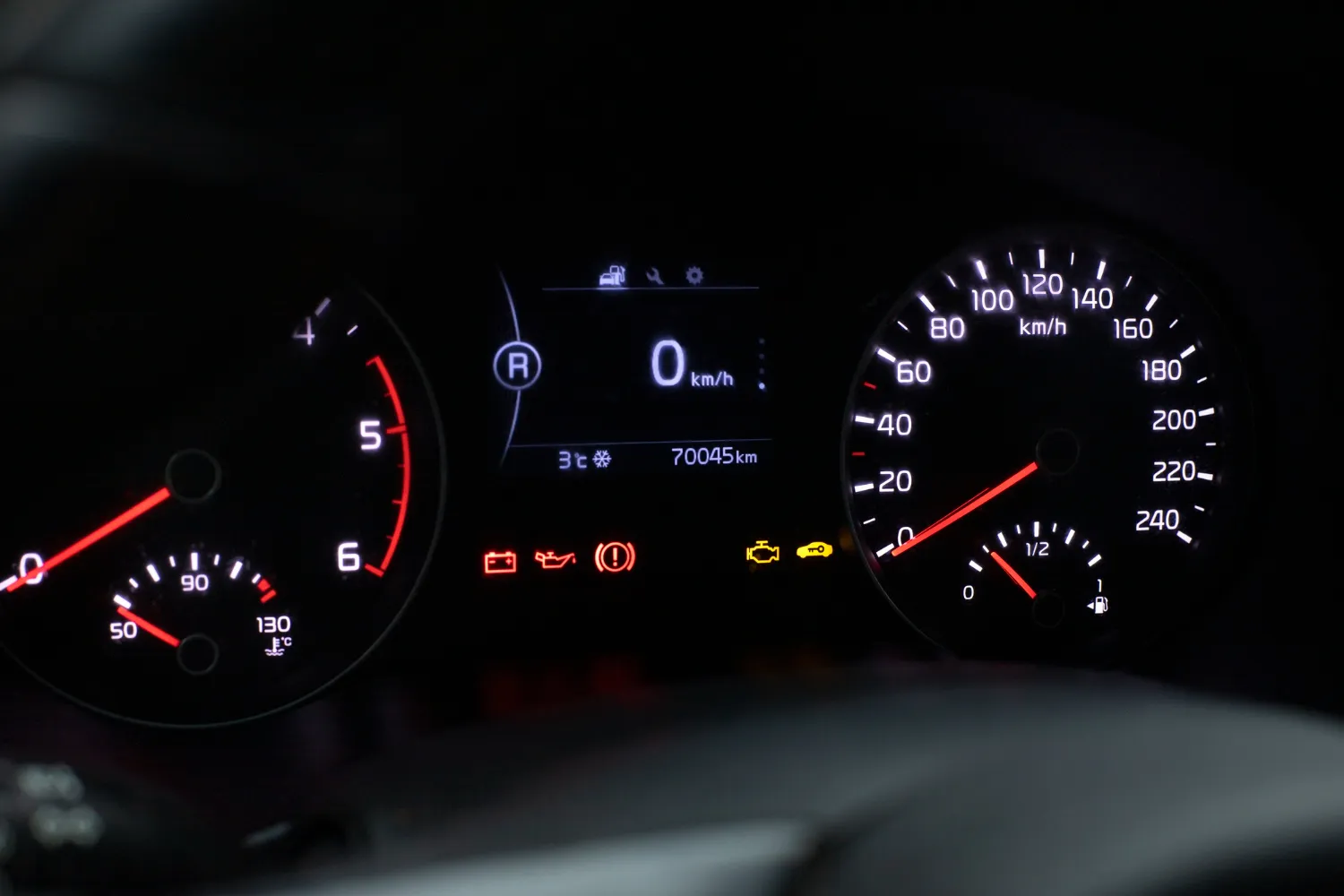

Misinterpretation vs Malfunction: Two Different Problems
Misinterpretation happens when a driver treats all three the same way. A preventive message does not require the same urgency as a confirmed fault. An intermittent data issue may need a scan rather than immediate repair. A confirmed fault needs action right away.
Understanding the difference helps drivers make better decisions.
The Audi Warning Lights Drivers Most Often Misread
Below are the dashboard warnings that tend to cause the most confusion for Audi owners. They look simple, but the systems behind them are complex. That complexity often leads to assumptions that do not match reality.
Oil Pressure Warning: The Light Many Drivers Confuse With “Low Oil”
The oil pressure light is one of the most serious alerts an Audi can display. Many owners mistake it for a reminder to top up the oil. It is much more urgent than that. This light appears only when the engine is not building enough pressure to circulate oil properly. Low oil level can contribute, but the real risks usually come from:
Coolant Temperature Warning: Often Ignored Until It Becomes Critical
Many Audi owners assume that a coolant warning appears only when the car is already overheating. In reality, this alert activates early to prevent damage. It may come on due to:
When Sydney’s temperatures swing from hot days to cool nights, coolant system pressures shift. These pressure changes trigger warnings before an engine overheats. This is intentional. The light appears early to avoid bigger problems.
The danger comes from ignoring it. Overheating can cause serious internal damage.
Battery and Charging System Light: Rarely “Just the Battery” in Audis
Many drivers see a battery symbol and assume they need a replacement battery. In most Audis, the light points to something else. The charging system relies on:
A fault in any of these can trigger the same light. This is why the warning often appears during short trips. The battery is not being charged properly, and the system cannot stabilise voltage.
Coastal areas like the Northern Beaches add moisture and electrical load variations. That makes charging system alerts more common.
Ignoring this light can lead to sudden electrical shutdowns.
The Lights Drivers React to Too Strongly
Check Engine Light: The Non-Emergency Cases Many Owners Forget Exist
Sydney drivers frequently see this light after using lower-octane fuel or after long periods of slow urban driving. In many cases, the engine will run normally.
A scan is needed to confirm the cause, but the light itself does not automatically mean a breakdown is imminent.
EPC Light: Serious in Appearance but Usually Sensor-Related
The EPC (Electronic Power Control) light is another common source of alarm. It looks dramatic. Drivers often assume catastrophic failure. But most EPC alerts involve:
The car may enter limp mode, but this is a protective measure. EPC alerts need to be checked, but they do not usually indicate severe engine damage.
Stability Control Light: Why Weather Triggers It More Than Drivers Expect
Audi stability systems rely on wheel-speed sensors, steering angle sensors and yaw modules. These components are sensitive to changes in grip. Drivers often worry when they see this light flicker.
In many cases the cause is weather. Rain, humidity, surface oils and steep road cambers in Sydney’s suburbs interfere with traction. The system intervenes, and the light flashes briefly. This is normal behaviour.
If the light remains on, the issue needs attention. But momentary flashes in wet conditions are expected.

Why Short-Trip Audis Trigger More False or Intermittent Alerts
Drivers in suburbs like Brookvale, Dee Why and surrounding areas often take short trips. These trips do not give the battery time to recharge fully. They also cause moisture to build up in ignition components. Sensors pick up these inconsistencies and trigger alerts.
Short-trip patterns lead to:
These conditions can produce warning lights that do not represent severe faults. They reveal inconsistencies rather than outright failures.
Understanding the Colour Coding of Audi Warning Lights
Audi uses colour coding to help drivers understand urgency. The meaning of each colour is simple and useful.
Red Alerts: Immediate Attention Required
These indicate serious issues such as:
- overheating
- low oil pressure
- brake fluid loss
- charging system failure
The car should not be driven until the cause is confirmed.
Yellow Alerts: System Faults or Inconsistencies
These point to issues that need attention soon but do not require immediate stopping.
Examples include:
- emissions faults
- stability system faults
- sensor irregularities
Flashing Alerts: Escalating Faults
A flashing light often means the system has detected an issue that is getting worse under load. Misfires are a common example. These warnings should be investigated promptly.
When a Warning Light Turns Off by Itself
Audi systems constantly reassess data. This means a light may come on and disappear after a restart or after a short period of normal driving.
This does not mean the issue is resolved. It means:
Diagnostic scans can reveal stored codes even when the light is off.
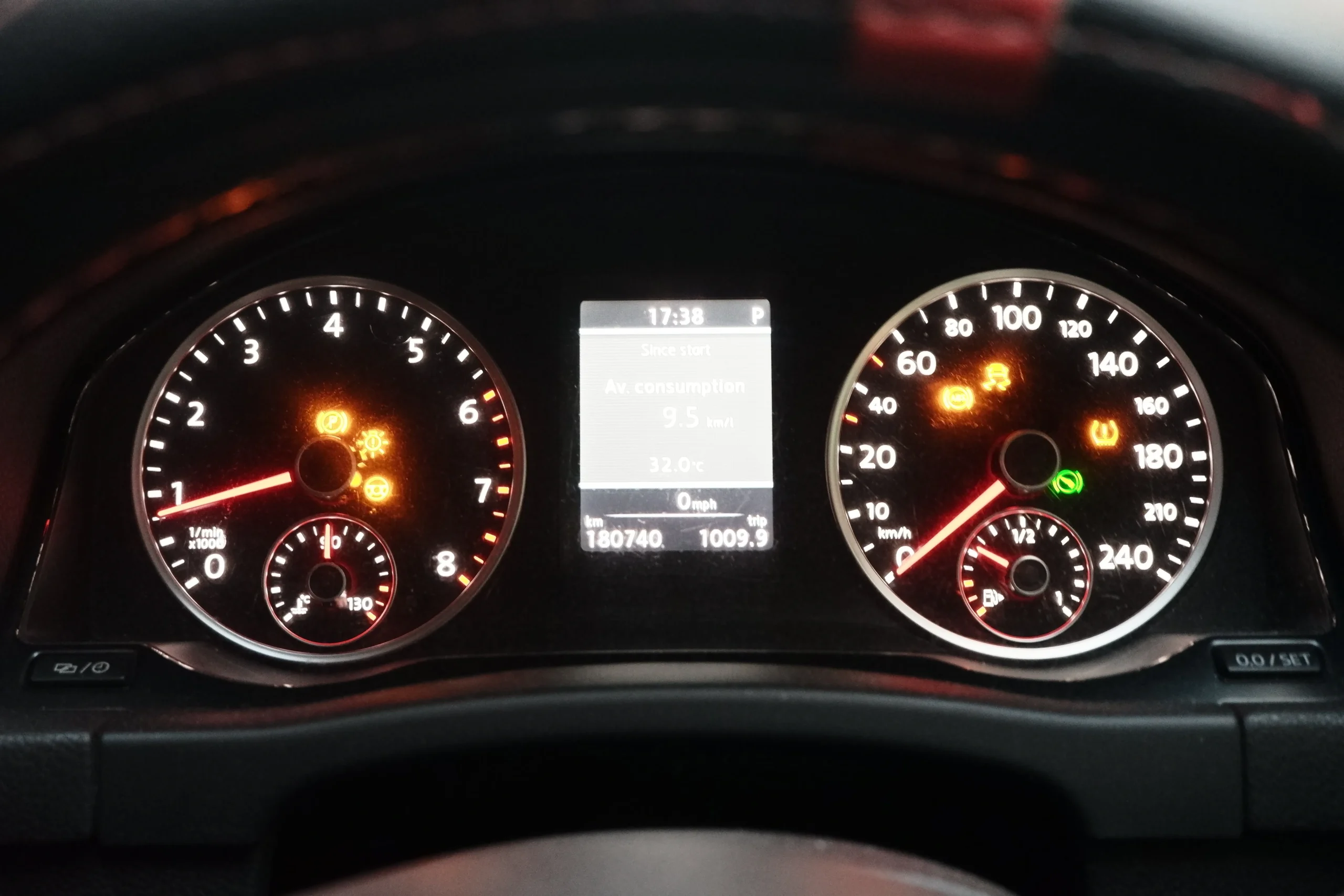
How Audi Systems Decide Which Faults Become Warning Lights
If the system considers the risk low, the driver may see no warning even though a fault code is stored.
This logic helps prevent unnecessary alerts, but it also makes diagnostics essential.
Table: Common Audi Warning Lights and What They Usually Indicate
| Warning Light | What It Often Means | What Drivers Commonly Assume |
| Oil Pressure | Urgent lubrication failure | “Needs oil top-up” |
| Coolant Temperature | Cooling system fault | “Car is only a little hot” |
| Battery/Charging | Alternator or regulation issue | “Battery is old” |
| Check Engine | Emissions or sensor issue | “Engine damage” |
| EPC | Throttle or sensor fault | “Car is unsafe to drive” |
| Stability Control | Wheel-speed or traction inconsistency | “Brake problem” |
Audi warning lights are not random. They reflect detailed calculations happening behind the scenes. Some lights appear early to protect the engine. Others appear only after the system sees repeated irregularities. Understanding these patterns helps drivers react appropriately.
Sydney’s conditions add another layer. Humidity, stop-start traffic, short trips and coastal climates affect sensor behaviour. Many alerts arise from environmental factors rather than outright component failure.
Knowing the difference helps owners avoid unnecessary worry while still protecting the car.


