You’ve found a used car you like. Maybe it’s a tidy VW Golf or an Audi Q5, the seller seems genuine, and you’re about to put down a deposit. Before the money changes hands, there’s a short list worth running through. A test drive feels reassuring. It also hides a lot.
Here’s the short version. Before you buy a used car, check the body and panels, the tyres, the interior and electronics, the fluids, and how the car drives from cold. Then check its history online for money owing, write-offs, and theft. If it’s a VW or Audi, a few extra things matter, and we’ll get to those.
Northside AutoHaus is a VW and Audi specialist in Brookvale, on Sydney’s Northern Beaches. We check used VW and Audi cars for buyers across the Northern Beaches and North Shore before they commit. Most of what follows applies to any second-hand car. The VW and Audi parts are where buyers most often get caught.
What to look for when buying a used car
Start with a slow walk around the car in good light. You’re looking for signs of past damage and wear the seller may not mention.
- Body and panels. Check the gaps between panels are even on both sides. Look for paint that doesn’t quite match from one panel to the next. A fine dusty finish on rubber seals or window edges can mean the car has been resprayed after a knock. Open the bonnet and boot and look for ripples or fresh paint in the metal. None of this rules a car out. It tells you to ask what happened.
- Interior and electronics. Test every button before you drive. Windows, the central screen, air conditioning, electric seats, indicators, and lights. Modern VWs and Audis carry a lot of electronics, and a screen fault or a worn switch can cost more than people expect. Check that no warning lights stay on once the engine is running.
- Tyres. Look at all four, plus the spare. The legal minimum tread depth in Australia is 1.5 mm. Uneven wear across one tyre can point to a wheel alignment or suspension problem. Tyres of different brands or ages can be a sign that corners have been cut.
- Under the car. Look on the ground where the car has been parked. Fresh oil or coolant stains are worth asking about. Wet or oily patches under the engine or gearbox can mean a leak that’s slow now and dear later.
- Match the car to the papers. Check the car in front of you is the one being sold. The VIN on the car should match the registration papers and the advert. The VIN is the 17-character number stamped on the car and listed in its documents.
What to check on the test drive
Drive the car from cold if you can. Many sellers warm the engine up before you arrive, which can hide a cold-start rattle or smoke. Ask to start it yourself, with the bonnet cold to the touch.
- Cold start. The engine should catch quickly and settle to a steady idle. Listen for any rattle in the first few seconds. Watch the exhaust for blue or grey smoke.
- Brakes. Find a safe spot to brake firmly from about 60 km/h. The car should pull up straight, with no shudder through the pedal or the steering.
- Steering and ride. On a straight, level road the car should track straight without you holding it. A vibration through the wheel at speed can mean a wheel balance or suspension issue.
- Gearbox in traffic. Drive in stop-start traffic, not just a quiet street. A car that feels fine on a quiet road in Seaforth can behave differently in Pittwater Road traffic. Jerky or hesitant low-speed shifts are worth noting, especially on an automatic.
How to check a second-hand car’s history before you buy
A car can look perfect and still carry problems you can’t see on the day. Two checks matter most.
- Service history. Ask for the logbook and any receipts. A complete, stamped logbook shows the car was serviced on time. Gaps in the history are a fair reason to ask questions, or to offer less.
- A PPSR check. PPSR stands for the Personal Property Securities Register. It’s the official Australian Government register, and a search costs $2 at ppsr.gov.au. You search using the car’s VIN. The result tells you if the car has money still owing on it, and whether it’s been recorded as written-off or stolen. If money is owing and the seller doesn’t clear it, the lender can take the car back even after you’ve paid for it. For $2, this is the simplest way to avoid a very costly mistake.
A PPSR check won’t tell you anything about the car’s condition. It won’t flag a tired gearbox, a worn engine, or a leak. That’s a job for a proper inspection, which matters more on a European car.
What’s different when you’re buying a used VW or Audi
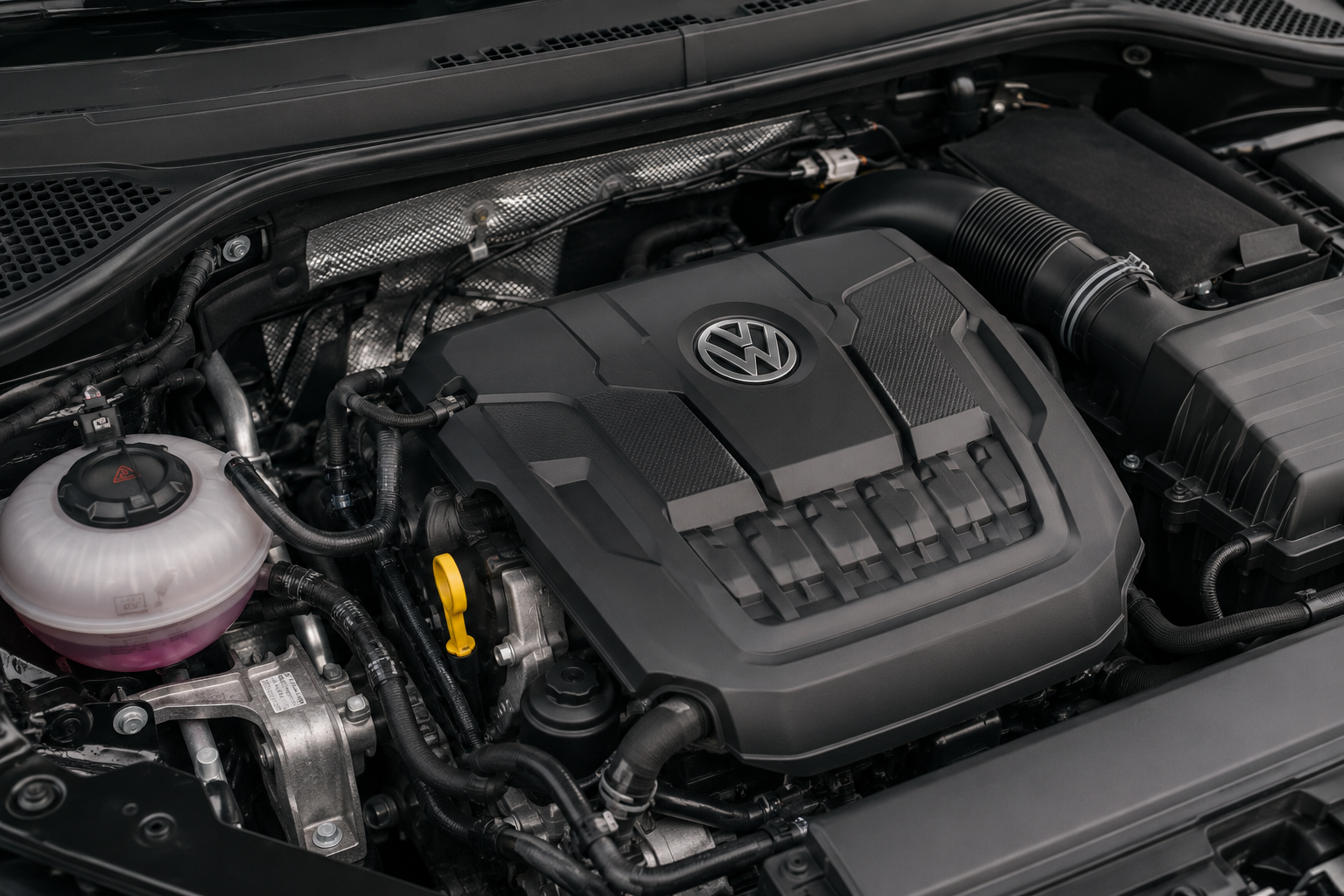
VWs and Audis are well built, but they have a few known issues that a general check can miss. These are the ones we see most often on used cars brought into Brookvale.
- Cold-start rattle from the timing chain. On many petrol engines built between about 2008 and 2013, the timing chain can stretch over time. The chain links the top and bottom of the engine so they turn together. A stretched chain often rattles for a second or two on a cold start. Caught early it’s a repair. Left alone it can do serious engine damage.
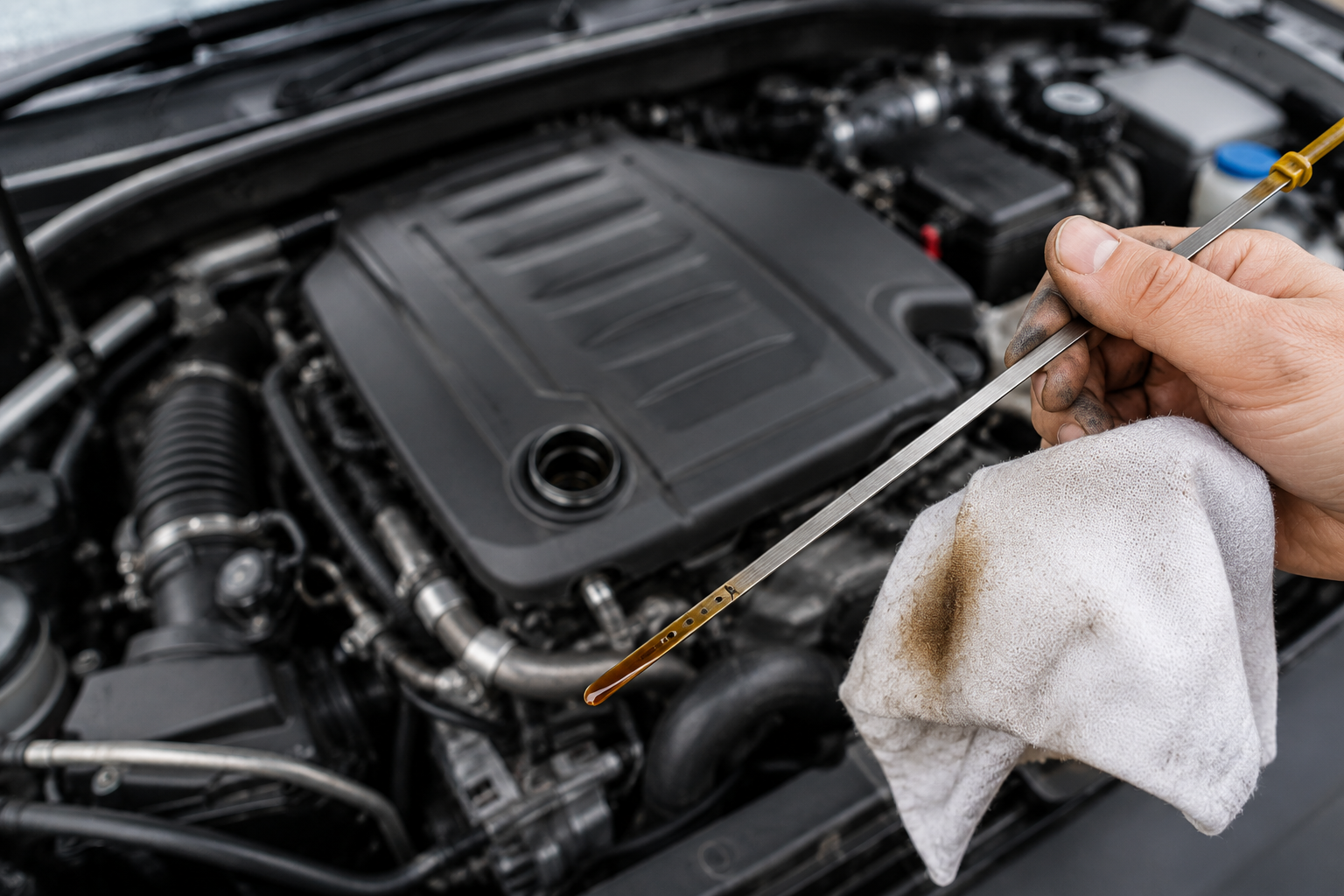
- Oil use on the early 2.0 turbo engines. Some 2.0 litre turbo petrol engines from around 2008 to 2013 use more oil than they should, because of the design of the piston rings. A car that needs a litre of oil topped up between services may have this. Ask the owner how often they add oil, and look for spare oil in the boot.
- The DSG gearbox. Many VWs and Audis use a DSG, a type of automatic gearbox with two clutches. A healthy DSG shifts smoothly. Jerky, harsh, or hesitant shifts at low speed can point to wear in the gearbox or its control unit.
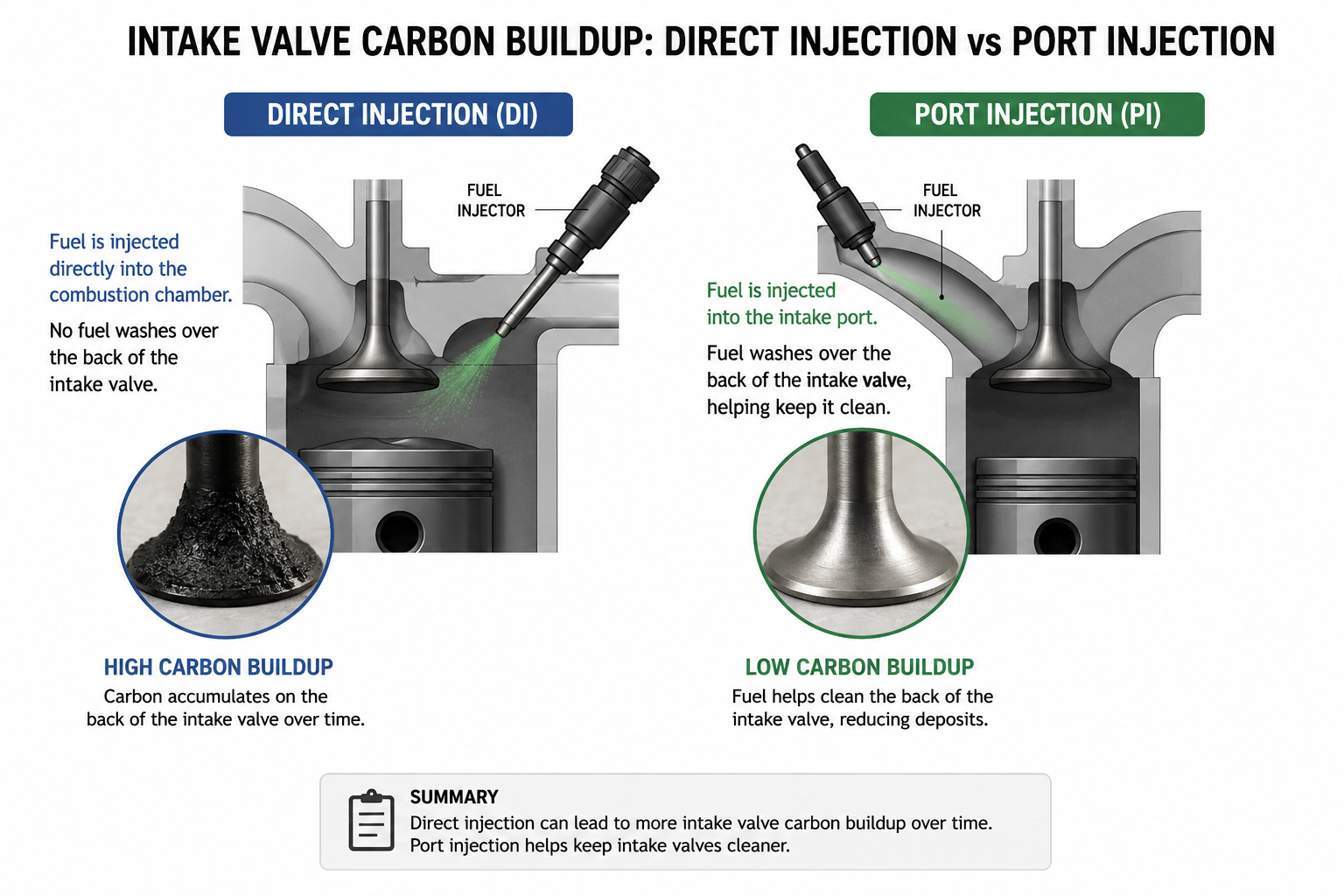
- Carbon buildup. Some VW and Audi engines build up carbon on the intake valves over the years. This can cause a rough idle or a slow loss of power. It can be cleaned, but it’s a cost to factor in on an older car.
- A complete service history matters more. Parts and servicing on European cars cost more than on a mainstream car. A car with a full VW or Audi service history is worth more, and it tells you the previous owner didn’t cut corners.
Why a pre-purchase inspection catches what a test drive can’t
A test drive tells you how a car feels for ten minutes. A pre-purchase inspection tells you what’s going on underneath. For a used VW or Audi, that gap is wide.
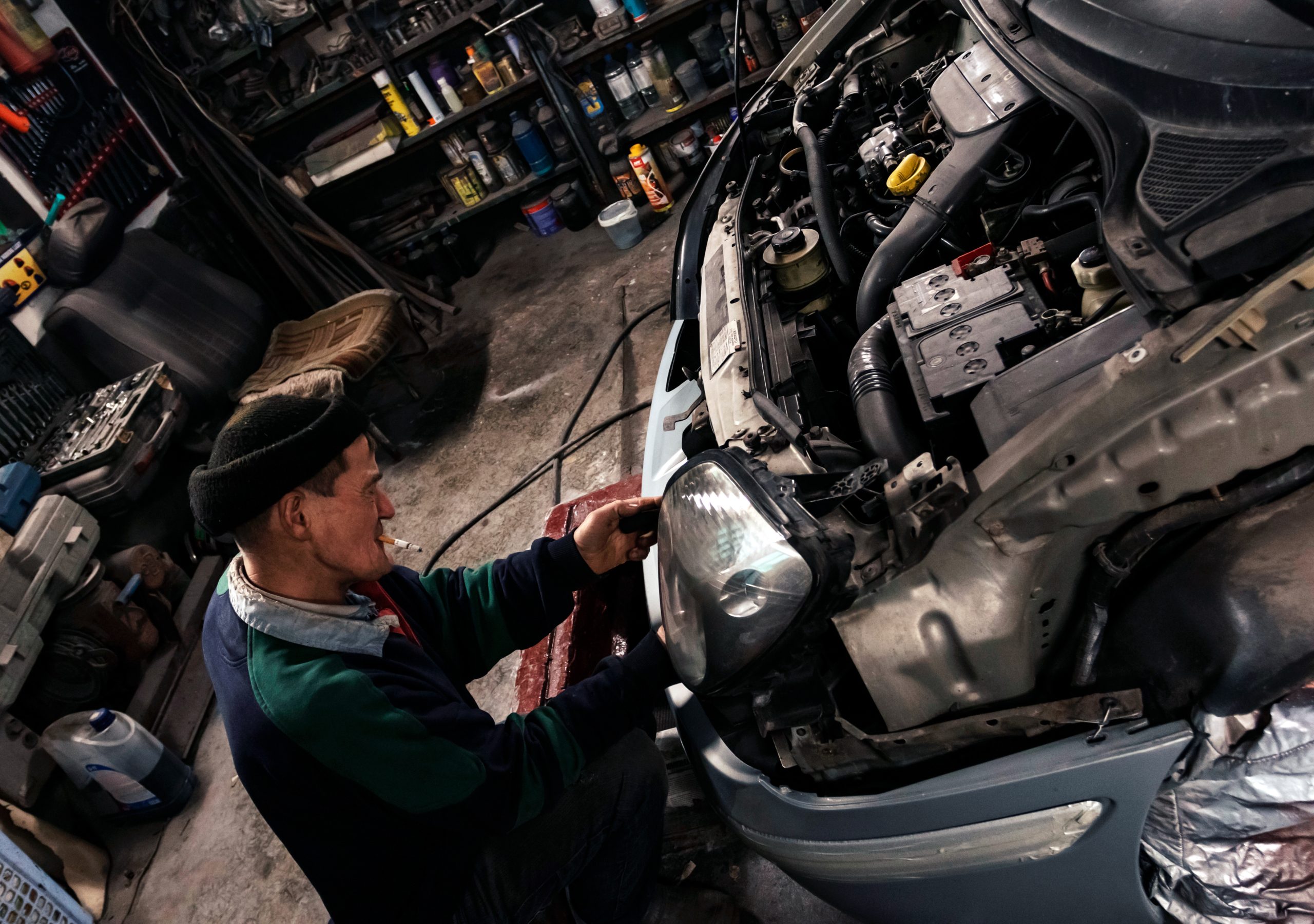
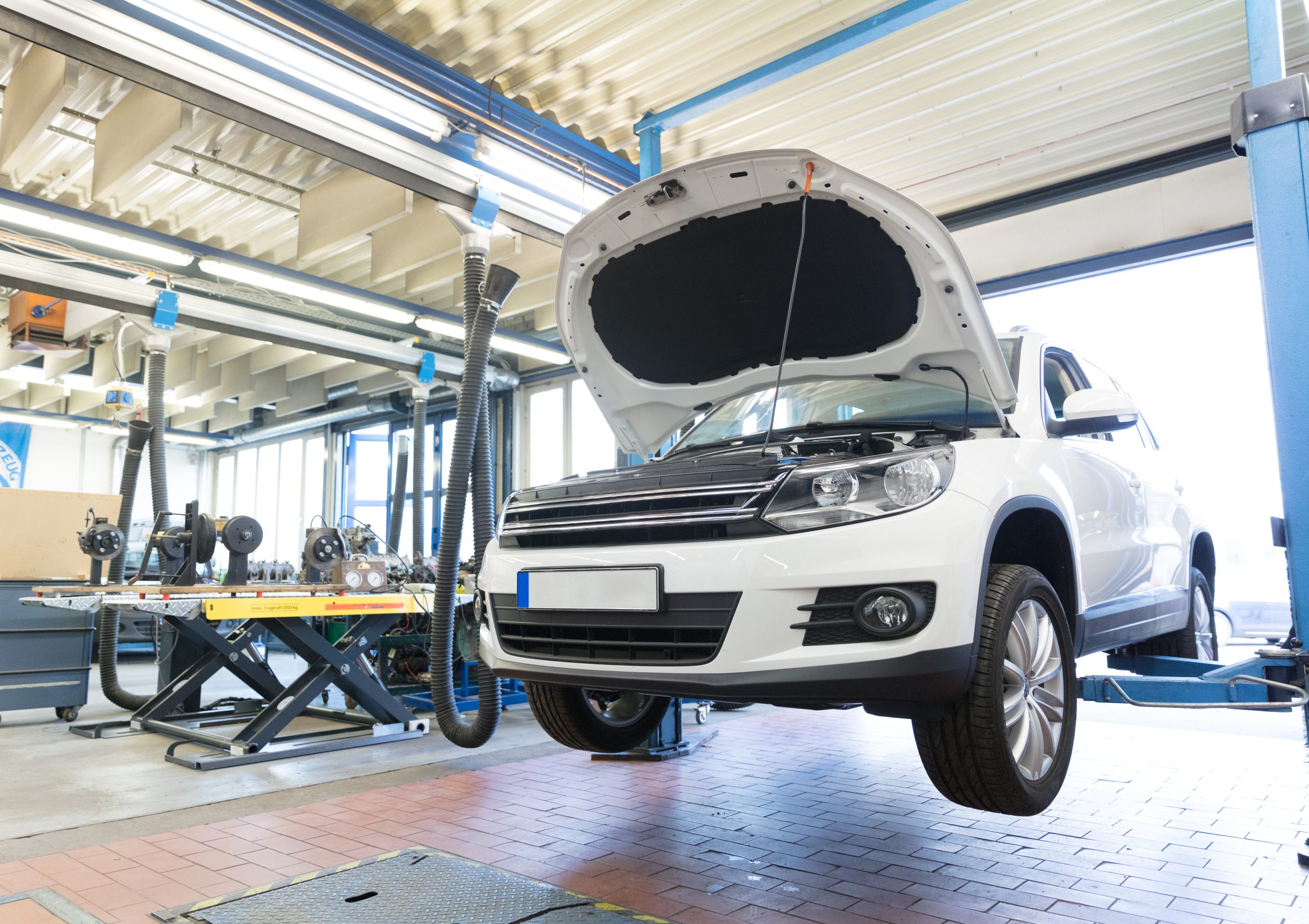
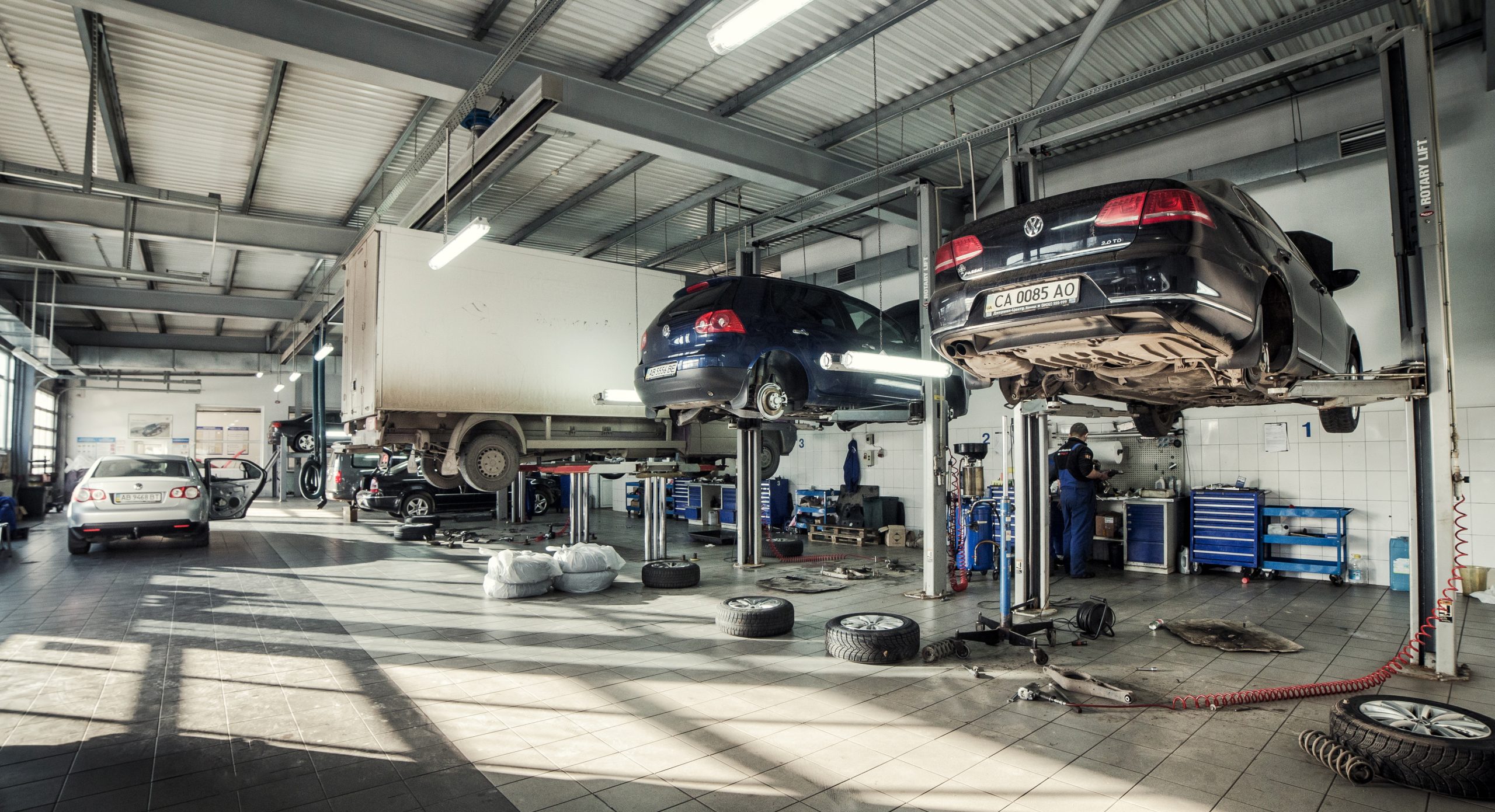
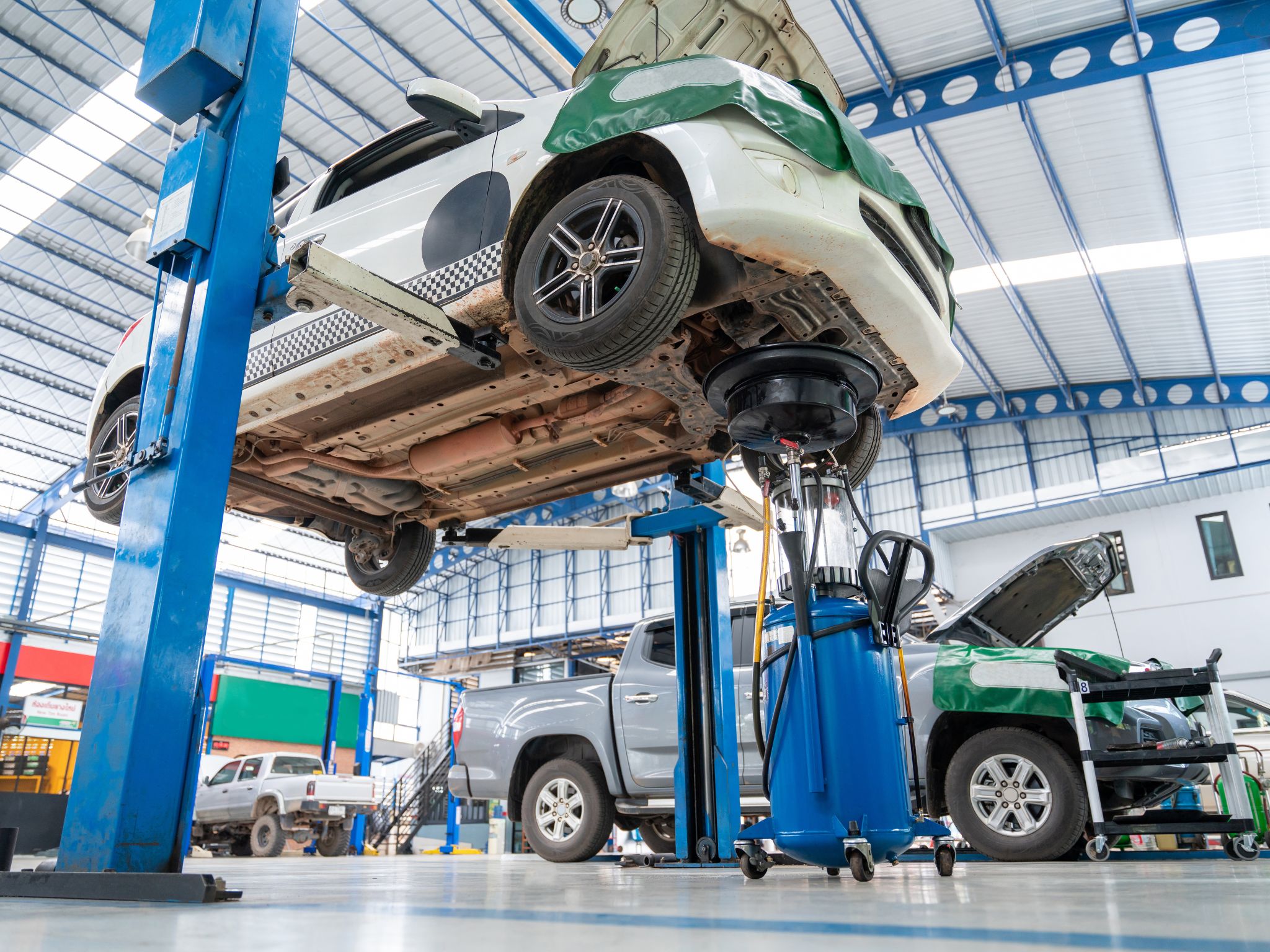
In a Volkswagen or Audi pre-purchase inspection, a specialist plugs a scan tool into the car. That reads information the dashboard never shows you. It can flag a stretched timing chain, show how the gearbox has been adapting to wear, pull up fault codes stored from past faults, and show signs of high oil use. Putting the car on a hoist lets us see suspension and underbody wear you’d never hear on a short drive.
Auto clubs offer general inspections that cover the basics on any car, and they’re a fair starting point. For a European car like a VW or Audi, a brand specialist goes deeper, because we know where these models tend to wear. That’s the difference between a general once-over and a check built around your exact car.
Buying privately or from a dealer: what changes
Where you buy changes how much risk you carry. From a private seller, the car is sold as-is, so the checks above are on you. Run the PPSR search yourself and don’t skip it. From a licensed motor dealer in NSW, you get more protection, including a statutory warranty on many eligible used cars and cover if there was finance owing the dealer missed. Either way, an inspection is money well spent on a car you’re serious about.
Final checks before buying a used car
Take this short list to the viewing:
- Start the engine from cold, not warmed up.
- Check the VIN on the car matches the papers.
- Run a $2 PPSR search before any money changes hands.
- Get the full service logbook, not a promise to send it later.
- Drive it in stop-start traffic, not just around the block.
- Book a specialist inspection if it’s a VW or Audi you’re serious about.
Book a check before you commit
Found a used VW or Audi you like on the Northern Beaches or North Shore? Bring it to our Brookvale workshop for a pre-purchase inspection before you pay the deposit. We’ll tell you what we’d want fixed, what can wait, and roughly what it’s likely to cost, so you can decide with the full picture. Book a pre-purchase inspection with Northside AutoHaus, or call us first if you’ve got a question about the car.