You start the engine first thing in the morning, hear a metallic rattle for a second or two, then the noise disappears. The idle settles and the car seems fine. That short window is why timing chain faults get missed. By the time the engine is warm, the evidence is gone and the car can feel normal again.
On Audi and Volkswagen engines, cold-start rattle is not one diagnosis. On some chain-driven petrol engines - especially earlier EA888 1.8 TSI and 2.0 TSI/TFSI variants - it can point to tensioner trouble, chain stretch, guide wear or a cam timing control fault. On some 3.0 TFSI engines, Audi published separate guidance for a brief first-start rattle with a different fault pattern. The right answer depends on the engine, the source of the noise and what the timing data shows when the car is checked properly.

What a cold-start timing chain rattle usually points to
A timing chain keeps the crankshaft and camshafts synchronised. On start-up, that system has to regain full control of chain tension almost immediately. If the chain is loose for even a moment, it can whip or chatter before oil pressure stabilises. That is the dry metallic sound owners describe as a rattle, clatter or quick scrape from the timing cover area.
In workshop terms, the usual causes are a tensioner that is bleeding down or failing to recover properly on start-up, a stretched chain that has moved beyond the tensioner's adjustment range, worn chain guides, or a camshaft adjuster that is not locking correctly when the engine is shut down. Those faults can sound similar from outside the car, which is why the exact engine code matters more than a generic guess.
Why the first seconds after start-up matter
Cold start is where the timing system is most exposed. The chain needs proper control before full oil pressure is established. If the tensioner is slow to respond, if the chain has stretched, or if the adjuster is not locking as designed after shutdown, the noise often shows up in the first second or two and then fades once oil pressure builds.
That pattern leads owners in the wrong direction. The engine sounds better once lubrication and tension catch up, but the underlying wear is still there. The next stage is often a longer rattle, more frequent noise, timing deviation faults, hard starting or rough idle.
Not every rattle is timing chain noise
This is one of the easiest ways to get the diagnosis wrong. A harsh cold-start noise from an Audi or VW can also come from the accessory belt drive, a pulley or tensioner, top-end valvetrain noise, or on some engines the high-pressure fuel pump. Timing chain noise tends to be harsher and closer to the timing cover area, but sound alone is not enough.
A specialist should identify the source of the noise before anyone starts quoting parts. Replacing a chain kit without confirming where the sound is coming from is how expensive repairs miss the fault.
Which Audi and VW engines need closer attention
Not every Audi or Volkswagen engine uses the same timing layout. Some are belt-driven. Some chain-driven engines have different failure patterns across generations. The engines that attract the most scrutiny around cold-start chain rattle are earlier chain-driven petrol engines, particularly some EA888 1.8 and 2.0 TSI/TFSI variants.
That does not mean every EA888 is a problem engine, and it does not mean every brief start-up noise is chain stretch. It means those engines should be checked with care because there is a documented history of tensioner, chain and cam timing issues on some versions. The same caution applies to broad online advice about 'Audi timing chain problems'. Audi's 3.0 TFSI family has its own service information and should not be lumped in with 1.8 or 2.0 four-cylinder diagnosis.
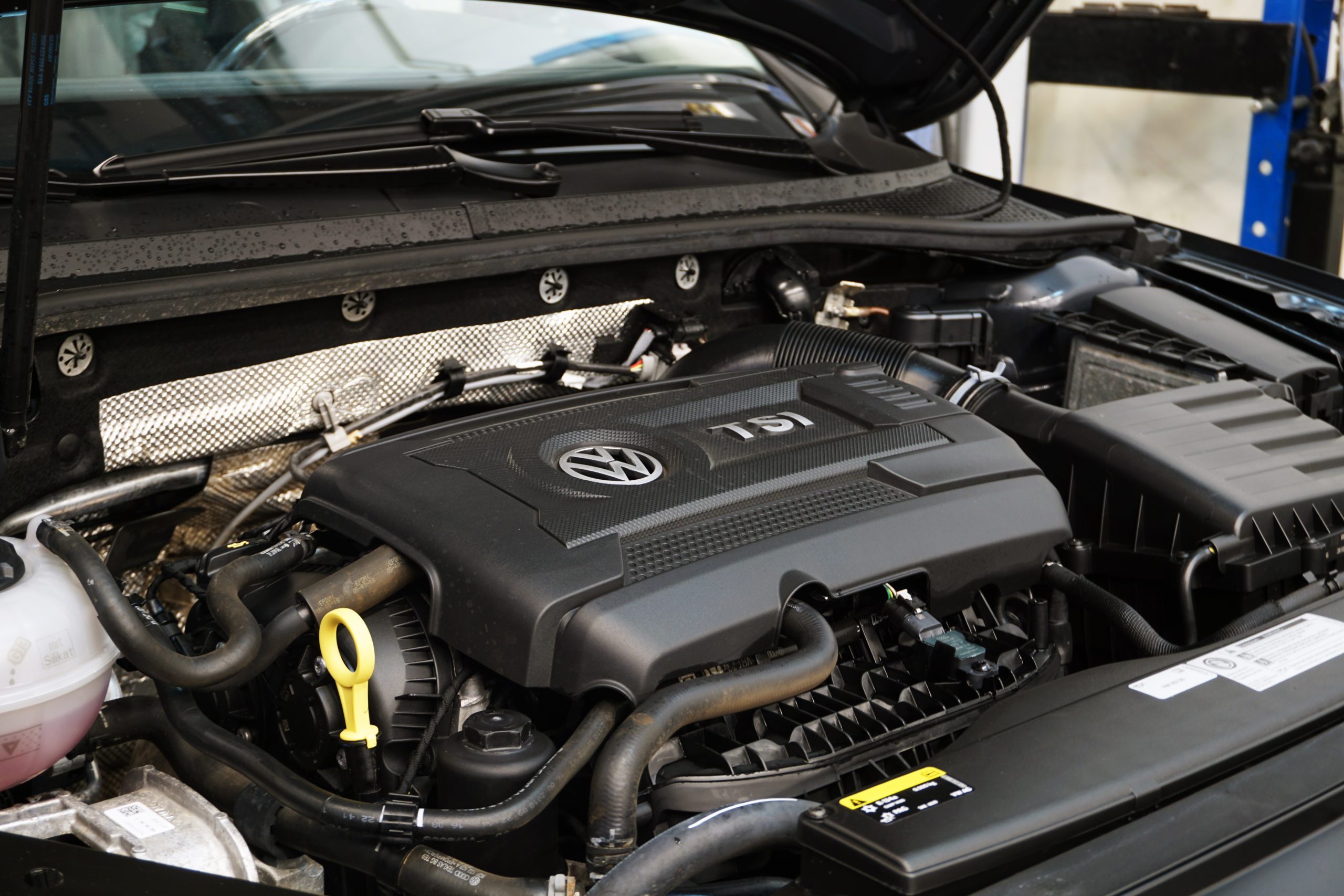
The common faults behind the noise
Tensioner wear or bleed-down
The tensioner is meant to keep the chain under control as oil pressure rises. If it cannot hold its position after shutdown, or if it reacts too slowly on the next start, the chain can rattle before tension is restored. In practice, this is one of the first faults mechanics look for when the noise is short, repeatable and most obvious from cold.
Chain stretch
As the chain wears, cam timing drifts away from where it should be. A stretched chain can still allow the engine to run well enough that the owner does not notice a drivability problem straight away. The early clue is often the cold-start rattle, followed later by cam/crank correlation faults, extended cranking or uneven running.
Guide wear
The guides keep the chain tracking correctly. Once they wear, crack or lose material, the chain has less support and more opportunity to move during start-up. Guide wear often sits behind the same complaint as chain stretch and tensioner trouble, which is why good diagnosis matters more than naming one part too early.
Cam adjuster lock issues
Not every timing-area rattle is caused by the chain itself. Some engines can rattle on start-up because the cam adjuster is not locking correctly when the engine is switched off. The sound can mimic chain noise, but the repair path is different. If a workshop skips the data checks and jumps straight to a chain kit, this sort of fault can be missed.
Signs it is moving from a brief symptom to a bigger problem
A brief cold-start rattle with no other symptoms is one thing. A rattle that is getting longer, appearing more often or arriving with engine faults is different. Book the car in sooner rather than later if you notice any of the following:
- the rattle lasts longer than it used to
- the noise now happens on warm starts as well
- the engine cranks longer before firing
- the idle is rough for the first minute
- the check engine light is on
- fault codes point to cam/crank correlation or camshaft timing
- the engine feels flat, uneven or hesitant after start-up
Once timing has moved far enough to trigger faults or poor running, the risk is no longer just noise. On some engines, a slipped chain can let valves and pistons meet. That is the point where a start-up rattle turns into a much larger repair.
Can an oil service fix it?
Fresh oil of the correct grade can reduce start-up noise in some cases, especially where oil pressure response is part of the symptom. But oil does not repair a stretched chain, a worn guide or a failing tensioner. At best, it may reduce the noise for a while.
That is why 'it sounded better after a service' should be treated as a clue, not a result. The right oil matters in these engines, but a quieter start does not always mean the fault is gone.
What a proper diagnosis looks like
This is not a job for guesswork. A proper inspection starts with a cold engine so the noise can be reproduced under the same conditions the owner describes. If the rattle only happens on the first start of the day, the car should be left overnight where possible. Do not clear fault codes beforehand, and if you can capture the noise on video, bring it with you.
From there, a specialist should work through the basics in order:
- confirm the exact engine code and timing layout
- identify where the noise is coming from rather than assuming it is chain rattle
- scan fault memory and check freeze-frame data
- look at live cam timing and correlation data
- inspect oil level, oil condition and service history
- mechanically inspect the timing system where the engine design allows it
That process matters because the same complaint can lead to different repairs. One car may need a chain and tensioner. Another may point to a cam adjuster fault. Another may produce a timing-area noise that turns out not to be the timing chain at all. The diagnosis has to be earned.
When to stop driving and book it in
If the noise is brief, rare and there are no faults or drivability changes, the next step is inspection rather than panic. If the rattle is getting longer, the engine light is on, the car is hard to start, the engine is misfiring, or timing-related faults have been logged, continuing to drive it is a gamble.
The reason is simple. Once the chain system loses enough control of timing, the damage can move beyond the chain drive itself. Waiting for a clearer symptom usually means waiting for a more expensive failure.
The sensible next step
A metallic rattle on cold start in an Audi or VW should be treated as evidence, not background noise. It does not tell you the final diagnosis on its own, but it does tell you the timing system deserves a proper look.
If your Audi or Volkswagen has developed a cold-start rattle, have it checked while the symptom is still brief and repeatable. At Northside Autohaus, that means a cold-start inspection on the correct engine family, a timing data review and a chain-system assessment based on what the car is doing, not on guesswork.
Frequently Asked Questions
Sometimes, but not by default. Some engines have documented brief first-start rattle patterns that do not indicate damage in the same way as chain stretch or tensioner failure. Others have a known history of start-up rattle linked to timing faults. The engine family and the test results decide the answer.
Low oil level, the wrong oil grade or poor oil condition can make start-up timing noise more likely, especially where the system depends on oil pressure to stabilise quickly. But oil is only part of the picture. Mechanical wear in the chain drive still needs to be ruled out.
A short rattle with no warning lights is different from a worsening rattle with poor running or timing faults. Once faults, hard starting, misfires or longer rattles appear, the risk of chain slip and internal damage rises sharply.
The first steps are confirming the exact engine, reproducing the noise from cold, scanning for timing-related faults and checking live cam timing data. After that, the timing chain, tensioner, guides and cam adjuster need to be assessed in the right order.