There is a moment in every Volkswagen owner’s service history where the invoice looks different. The car went in for what felt like the same thing it always goes in for, and the number at the bottom has stepped up. Not doubled. Not tripled. But enough to make you pause and wonder what changed.
The short answer is: the schedule changed. The car did not suddenly develop problems. Volkswagen’s own service programme called for more work this time around, and the cost reflects that scope.
This is worth understanding properly, because the jump from a minor service to a major service is one of the most predictable costs in VW ownership. It is built into the service book. It happens at set intervals during the warranty period, and it should keep happening at those intervals long after the warranty ends. The only real question is whether the owner knows it is coming.
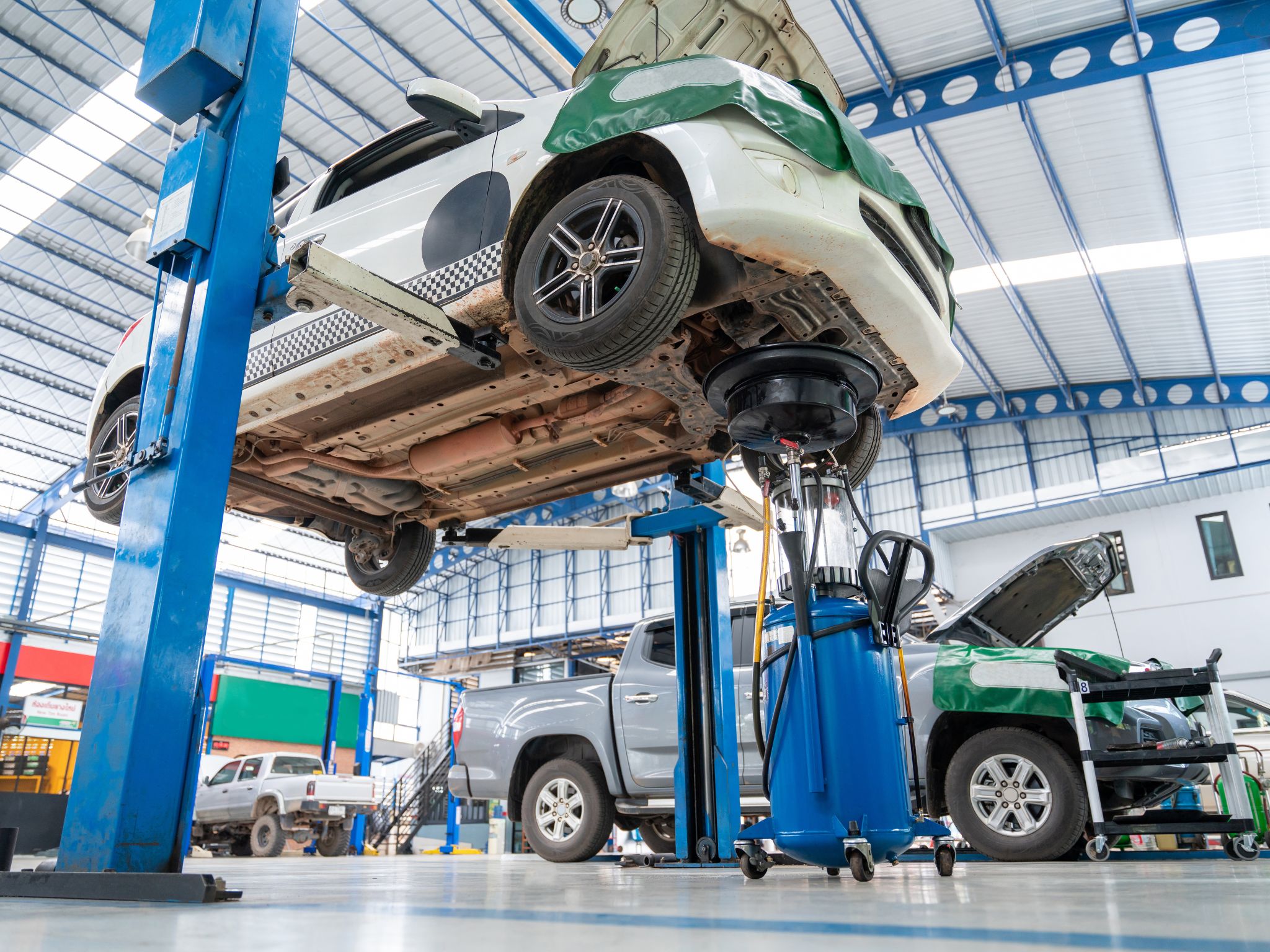
What a major service involves
Volkswagen’s servicing framework in Australia is commonly based on 15,000 km or 12 months, whichever comes first. Capped price servicing typically covers the first five or six standard scheduled services under the programme terms, with conditions and exclusions that vary by model and purchase date.
Within that programme, not every service is the same size. A minor service is the baseline. It covers the fundamentals that need attention at every interval:
Volkswagen’s Essential Service inclusions reflect that baseline concept.
A major service is not a different category of work. It is the same baseline, plus the items that are due less frequently:
Volkswagen’s Essential Service Plus, for example, adds the pollen filter and brake fluid replacement on top of the baseline, which illustrates how the scope expands at certain intervals without the nature of the work changing.
The service book lays this out in advance. A major service is not a surprise. It is a scheduled event.
Why the cost steps up
| What changes | Why it matters | Why it adds cost |
|---|---|---|
| More parts are due at the same interval | Filters, fluids, and sometimes spark plugs or other scheduled components all land at once | Parts cost and labour time both increase |
| More inspection points are required | Some wear patterns and fluid conditions are only meaningful to check at wider intervals | More diagnostic and measurement time |
| Time-based items come into play | Some fluids and materials degrade by calendar time, regardless of how far the car has driven | The owner pays even if the car has done low kilometres |
What you are paying for (and what it prevents)
The cost of a major service is easier to accept when you understand what each item is doing.
Brake fluid is the clearest example. It is hygroscopic, meaning it absorbs moisture from the air over time. That moisture lowers the fluid’s boiling point and can contribute to internal corrosion in the braking system. On a typical school run through Dee Why, the brakes are never under enough stress for this to matter. The first time it matters is a long descent on a holiday drive, or an emergency stop on the Pacific Highway, when the fluid is suddenly asked to perform at its limits. By then, the window for a cheap fluid change has closed and the window for an expensive brake repair has opened.
The same logic applies across the major service scope:
None of these items announce themselves from the driver’s seat. Brake fluid does not feel old. A pollen filter does not send a warning light. The car drives fine until the moment it does not, and by then the repair cost has overtaken what the service would have caught.
The real cost of skipping
The real cost of skipping
| What you gain by skipping | What you give up |
|---|---|
| Short-term cashflow relief | A structured check of items that degrade by time, not by feel |
| One fewer appointment in a busy week | A clear maintenance baseline and service record |
| Less “maintenance noise” in your budget | The chance to catch early wear before it becomes a symptom and a bill |
The trade is not dramatic. It is cumulative. One skipped major service is unlikely to cause a catastrophic failure. But it moves every time-based item one interval further past its due point, and it creates a gap in the service record that is visible to anyone who looks, whether that is a future buyer, a warranty assessor, or the next mechanic who works on the car.
The more practical risk is that skipping once becomes skipping twice. The items that were due at the first major service are now two intervals overdue at the next one. The scope of work increases, the invoice increases with it, and the cost saving from skipping evaporates.
A middle ground that works
How to read a VW service quote without guessing
Once the quote is split into those three buckets, the conversation becomes specific. The scheduled items are the non-negotiable scope of the major service. The condition-based items are a professional judgement call. The optional items are genuinely optional.
One question cuts through most of the confusion: “Which of these items are due because of time, not kilometres?” On the Northern Beaches, where a lot of VW driving is short suburban runs and coastal errands, the answer to that question explains most of the invoice.
Questions worth asking your service advisor
These are conversation starters, not challenges. A workshop that answers them clearly is a workshop that runs on process, not persuasion.
FAQs
Because more scheduled items fall due at the same time. The scope of work increases, so parts and labour increase. The cost reflects the work in the service programme, not a change in pricing.
Volkswagen’s capped price servicing terms reference standard scheduled services at 15,000 km or 12 months, whichever occurs first, with conditions and exclusions.
A minor service covers baseline maintenance. A major service adds time-based items and additional scheduled components and inspections that are due at wider intervals. Both are part of the same service programme.
You can, but it shifts more unknowns onto you, particularly for items that degrade by time rather than by feel. Brake fluid, filters, and inspection-only items will not announce themselves from the driver’s seat.
Brake fluid absorbs moisture over time (it is hygroscopic), which can lower its boiling point and contribute to corrosion risk in the braking system. It is treated as a time-based maintenance item because it degrades by age, not by use.
It applies to standard scheduled services under the programme terms. Any additional work identified during the inspection, or items outside the scheduled service scope, can still be quoted separately.
Ask for line items. Separate scheduled work from condition-based recommendations. Confirm whether each item is due by time or by kilometres. That breakdown makes the scope clear.
A reasonable approach is to prioritise time-based and safety-critical items first, then schedule the remaining work soon after. Staging is better than skipping.