You press the accelerator expecting the familiar surge, but instead the car hesitates. It might feel flat when merging onto a motorway, slow climbing a hill or unresponsive during overtaking. Modern Audi and VW engines are designed to deliver smooth, linear power, so any loss of acceleration is a sign the engine is protecting itself from something it cannot manage.
Loss of power is not a single fault. It is a pattern of behaviour that gives strong clues about what is going wrong inside the engine, turbo system or fuel delivery network.
How power loss typically starts
Airflow problems are a leading cause
Common airflow faults in Audi and VW engines
| Component | What Drivers Notice | Why It Happens |
|---|---|---|
| Mass airflow sensor | Hesitation or surging | Sensor contamination or failure |
| Intake hose or PCV leak | Flat acceleration | Split hoses on EA888 and EA211 engines |
| Blocked air filter | Slow response | Dust or debris build up |
| Throttle body issues | Inconsistent acceleration | Carbon around the throttle plate |
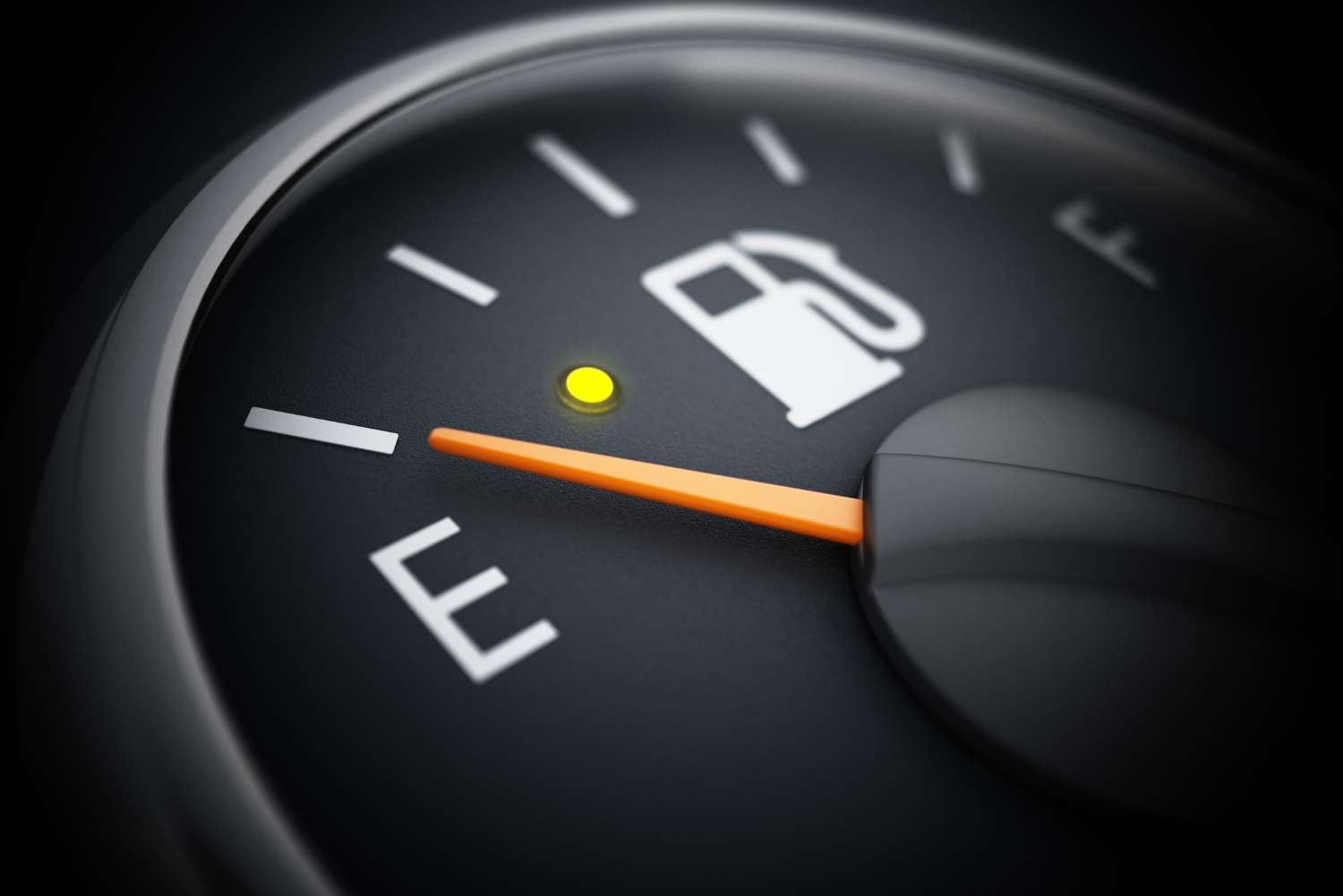
Fuel delivery problems become more obvious under load
Tell tale signs of fuel delivery issues
Turbo systems reveal faults quickly
Common turbo related faults
| Fault | What Drivers Feel | Why It Happens |
|---|---|---|
| Boost leak | Slow, weak acceleration | Split intercooler hose or loose clamp |
| Diverter valve failure | Flat spots in acceleration | Torn diaphragm on older models |
| Wastegate problems | No boost or inconsistent boost | Sticking actuator |
| Turbo vane issues | Rough or delayed boost | Carbon buildup or mechanical wear |
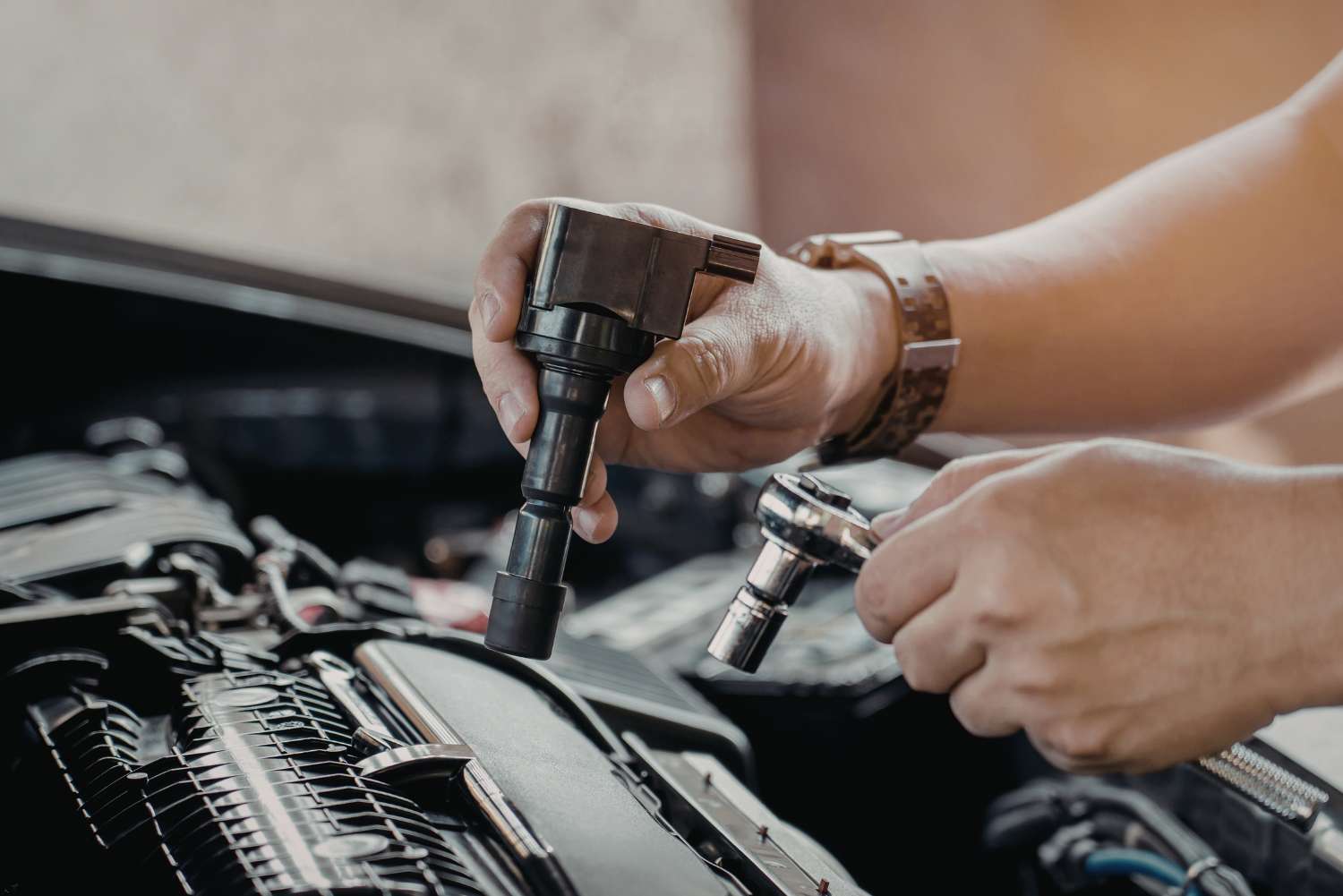
Ignition coil packs fail suddenly and dramatically
Audi and VW coil packs are well known for breaking down under load. They often fail without warning.
Signs of coil pack failure
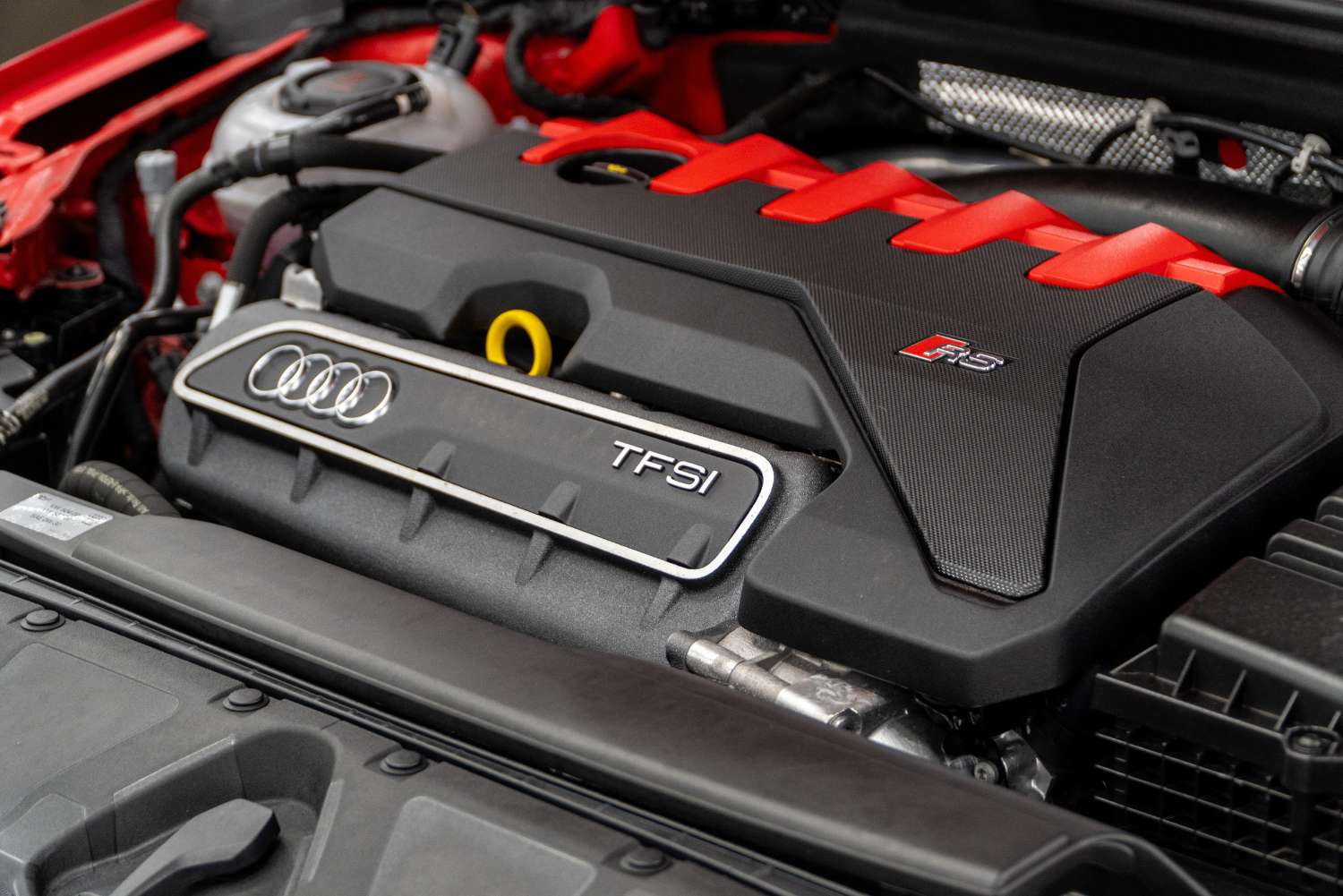
Carbon buildup can choke TFSI engines
Direct injection engines do not wash the intake valves with fuel. Over time, carbon deposits build up on the valves and restrict airflow.
When carbon buildup is likely
EPC and check engine lights point to deeper issues
Audi and VW engines often reduce power when the EPC or check engine light appears. This is a protective mode.
Common reasons include:
Transmission behaviour can mimic engine power loss
Transmission issues that feel like engine weakness
| Symptom | Likely Transmission Cause |
|---|---|
| High revs but slow movement | DSG clutch wear |
| Hesitation when taking off | Mechatronic valve body issue |
| Jerking at low speed | DSG clutch adaptation problem |
| Power fade in heavy traffic | DSG overheating |